Categories
Default

AI Adoption Support for Singapore SMEs Modernising Operations

AI adoption support for Singapore SMEs looking to modernise operations has moved from a niche advisory service to a practical necessity as the tools available have matured and the gap between businesses that use AI and those that do not has begun to widen in measurable ways. Singapore SMEs that have integrated AI-assisted tools into their daily operations report consistent time savings, fewer manual errors, and the ability to produce better outputs with the same headcount. Those that have not are beginning to feel the competitive difference.

The State of AI Adoption Among Singapore SMEs

The adoption of AI tools in Singapore’s SME sector is uneven. A smaller group of businesses has moved quickly, deploying AI productivity tools, AI-assisted customer service, and AI-driven operational analytics. A larger group is aware of the potential but has not yet translated awareness into action, often because of uncertainty about where to start, concerns about cost, and the absence of in-house technical expertise to evaluate and implement the available tools.

The third group, businesses that have not seriously considered AI at all, is shrinking. The conversation has moved from “should we look at AI” to “how do we implement it” for most businesses that have engaged with their industry peers over the past two years.

As Deputy Prime Minister Lawrence Wong has stated in the context of Singapore’s AI strategy, “AI is not a technology for large corporations alone. We want every Singapore business to be able to benefit from AI’s potential to improve productivity and create new value.” AI adoption support for Singapore SMEs is the practical response to that aspiration.

What AI Adoption Actually Involves

Implementing AI tools in a business context is not the same as activating a software licence. Genuine AI adoption involves:

  • Identifying use cases: Which specific tasks, in which specific workflows, are good candidates for AI assistance? The answer varies by business type, and identifying the highest-value use cases is the starting point for any meaningful AI programme
  • Selecting appropriate tools: The AI tool landscape is broad and rapidly changing. Not every tool is appropriate for every use case, and selecting the right product for the identified use cases requires familiarity with the current options
  • Preparing the environment: Many AI tools, particularly those integrated with Microsoft 365, work most effectively when the underlying data environment is organised. Poor data structure, inconsistent naming conventions, and inadequate access permissions reduce the utility of AI tools significantly
  • Training staff: AI tools require staff to work in new ways. The training required is not technical in the IT sense. It is about helping people develop the habit of prompting AI tools effectively and integrating them into their existing workflows
  • Measuring outcomes: Without baseline measurements and post-implementation tracking, it is impossible to demonstrate the return on AI investment or to identify where further improvement is possible

AI Tools Available Through VGC Technology

VGC Technology’s AI adoption support for Singapore businesses covers the practical implementation of AI tools that are available to SMEs today, not theoretical future capabilities.

Current deployments include:

  • Microsoft Copilot for Microsoft 365 – AI assistance integrated across Word, Excel, PowerPoint, Outlook, and Teams, supporting writing, summarisation, data analysis, and meeting management
  • AI-assisted security monitoring – tools that use machine learning to identify anomalous behaviour on the network and on endpoints, improving threat detection without requiring dedicated security analyst resource
  • Automated workflow and process tools – Microsoft Power Automate and related platforms that use AI capabilities to automate repetitive tasks and reduce manual processing time
  • AI-enhanced customer engagement tools – platforms that use AI to improve the speed and consistency of customer communication and service

Grant Support for AI Adoption

Some AI adoption investments qualify for PSG or other government grant support, reducing the effective cost to the SME. VGC Technology confirms grant eligibility during the initial consultation and structures the engagement to maximise the co-funding available for eligible components.

What a Successful AI Rollout Looks Like

A successful AI adoption programme for an SME produces measurable outcomes within the first ninety days: specific tasks that are completed faster, specific processes that require less manual effort, and specific outputs that are produced with fewer people or in less time.

The businesses that achieve these outcomes are those that approach AI adoption as an operational change programme rather than a technology deployment. The technology is the enabler. The change in how people work is the outcome.

Taking the First Step

For Singapore SMEs that are ready to move from awareness to action, the starting point is a conversation with VGC Technology about which AI tools are most relevant to the specific operations of the business and what a practical implementation plan looks like. AI adoption support for Singapore SMEs looking to modernise operations is available and, with the right partner, more straightforward to implement than most business owners expect.


Categories
Default

Cybersecurity Grants for Singapore SMEs Through PSG Funding

The cybersecurity grant route open to Singapore SMEs through PSG funding is one of the most straightforward pathways to funded technology implementation available to local businesses. The Productivity Solutions Grant (PSG) cybersecurity category exists precisely because IMDA and the Singapore government recognise that the cybersecurity gap in the SME sector represents a systemic risk. Individual businesses that lack basic cyber defences are not just vulnerable themselves. They create exposure for their clients, suppliers, and the broader ecosystem they participate in.

The Cybersecurity Problem PSG Is Designed to Address

The cyber threat landscape facing Singapore SMEs is not abstract. Ransomware attacks on small businesses, business email compromise incidents that redirect payments to fraudulent accounts, and data breaches that expose client information are reported regularly. In many cases, the businesses affected had no meaningful cybersecurity controls in place.

The pattern is predictable. An SME operates without a proper firewall, using consumer-grade network equipment and default settings. Staff emails are not protected by anti-phishing filters. Endpoint devices run security software that has not been updated in months. A phishing email gets through, a credential is compromised, and an attacker either encrypts the business’s files for ransom or begins harvesting data over an extended period.

The PSG cybersecurity grant exists to close this gap by making the cost of prevention substantially lower than the cost of an incident.

How the PSG Cybersecurity Grant Works

The cybersecurity grant route through PSG funding follows the standard PSG application process, with some category-specific requirements.

Eligible SMEs select a pre-approved cybersecurity solution from a PSG-approved vendor. The grant covers a defined co-funding percentage of the qualifying cost, with the SME contributing the remainder. The application is submitted through the Business Grants Portal (BGP) before any expenditure is made. Approval is typically received within a few weeks, after which the implementation proceeds and the claim is filed.

The key steps are:

  1. Confirm SME eligibility for the PSG (local SME status, revenue and headcount thresholds, minimum local shareholding)
    2. Identify the cybersecurity need and select the appropriate pre-approved solution
    3. Obtain a quotation from a PSG-approved cybersecurity vendor
    4. Submit the BGP application and receive approval
    5. Implement the solution
    6. File the claim with supporting documentation

VGC Technology supports SMEs through each of these steps as a PSG pre-approved vendor for cybersecurity solutions.

What Cybersecurity Solutions Are PSG-Eligible

PSG-funded cybersecurity solutions available through VGC Technology address the most common and consequential vulnerabilities facing Singapore SMEs.

  • Unified threat management (UTM) and next-generation firewalls – network-level security that inspects incoming and outgoing traffic, blocks known malicious content, and enforces access policy
  • Endpoint detection and response (EDR) – security software on individual devices that monitors for malicious behaviour, not just known malware signatures, and responds automatically to detected threats
  • Email security gateways – filtering and anti-phishing tools that prevent malicious emails from reaching staff inboxes, addressing the most common initial access vector in SME attacks
  • Security awareness training – structured programmes that build staff capability to recognise phishing, social engineering, and other human-targeted attack techniques

Each of these addresses a different layer of the security stack, and a comprehensive programme typically combines several elements for the most effective protection.

Why Acting Now Makes Financial Sense

The grant co-funding rate under PSG reduces the out-of-pocket cost of cybersecurity implementation significantly. Combined with the cost of a cybersecurity incident, which for an SME can include ransom payments, business interruption, data recovery costs, regulatory notification obligations, and reputational damage, the financial case for acting under the grant is compelling.

As former Minister for Communications and Information S Iswaran once noted, “Cybersecurity investment is not a cost. It is the price of operating safely in a connected economy.” The PSG makes that price considerably lower for eligible SMEs.

Common Mistakes in PSG Cybersecurity Applications

The most common mistakes that cause PSG applications to be delayed or declined are:

  • Making payment to the vendor before grant approval is received
  • Selecting a solution or vendor that is not on the current PSG-approved list
  • Submitting documentation that does not meet IMDA’s format requirements
  • Failing to confirm that the solution will be used in Singapore by the applying business

VGC Technology’s guidance on PSG cybersecurity grant applications addresses each of these common pitfalls, ensuring that the application is submitted correctly the first time.

Starting the Process

The cybersecurity grant route open to Singapore SMEs through PSG funding begins with a confirmation of eligibility and a discussion of the specific cybersecurity gaps the business needs to address. From that starting point, VGC Technology identifies the most appropriate PSG-eligible solution and manages the application and implementation process through to the completed claim.

Categories
Default

Can Filling Machines for Accurate and High-Speed Packaging

Can filling machines sit at the intersection of speed and precision – two requirements that are often in tension in industrial packaging, and that the best can filling equipment manages to serve simultaneously.

The Can as a Packaging Format

Metal and composite cans are used across a wide range of product categories: food and beverage, paints and coatings, adhesives, lubricants, automotive chemicals, and aerosol products. All use cans as a primary packaging format at some point in their supply chains. The can offers structural rigidity, tamper evidence, barrier protection against oxygen and light, and a uniform cylindrical form that stacks and palletises efficiently.

For the manufacturer filling cans at volume, the filling operation must handle the specific properties of each product: its viscosity, its corrosiveness toward certain metals, its temperature requirements during filling, and the headspace specification that determines the air gap between the product surface and the lid.

Can Filling Technologies

Different filling technologies suit different products and production requirements:

  • Gravity filling: appropriate for thin, free-flowing liquids in open-top cans. Simple and low-maintenance, but less accurate and slower than active filling systems.
  • Piston filling: a reciprocating piston mechanism delivers a precise volume of product per fill cycle. Well-suited to viscous products, including thick paints, adhesives, and food-grade creams.
  • Weight-based filling: load cells beneath the can platform measure fill weight in real time and stop filling at the target weight. The most accurate approach is for products sold by weight or for high-value products where fill variation is costly.
  • Pressure filling: used for carbonated beverages and pressurised aerosol products where the filling process must occur under controlled pressure to prevent foaming or product loss.

Can filling machines categorized as weight-based operation deliver the accuracy that regulatory compliance and commercial integrity require, particularly for products in the food and chemical categories?

Semi-Automatic vs Fully Automatic Configurations

The choice between semi-automatic and fully automatic filling systems is driven by production volume:

Semi-automatic systems require an operator to position the can, initiate the fill cycle, and remove the filled can. They are appropriate for small volumes where the capital investment in a fully automated system is not warranted. A well-designed semi-automatic machine with accurate weight-based filling can produce consistent fills at production rates of hundreds of cans per hour.

Fully automatic systems can integrate infeed, filling, lid placement, sealing or capping, and code application into a continuous process. They produce thousands of cans per hour with minimal operator involvement. The capital cost is significantly higher, but the labour cost per unit is dramatically lower at scale.

Speed as a Commercial Requirement

In high-volume can filling operations, speed is not simply a performance aspiration – it is a commercial necessity. A production line that fills 200 cans per hour, where the demand requires 600 per hour, creates a production bottleneck that affects delivery commitments, storage requirements, and business capacity.

High speed can filling equipment must maintain accuracy at throughput rates that domestic or low-volume equipment cannot sustain. The challenge is that increasing speed without reducing accuracy requires more sophisticated fill control systems, such as faster-acting valves, more responsive load cell electronics, and control software that anticipates the inertia of the product stream to stop the fill precisely at the right moment.

Product Compatibility and Changeover

Industrial can-filling machines typically handle a range of can sizes, from small tins to multi-litre jerry cans. Changeover between sizes should be achievable within a defined time window – typically 15 to 30 minutes for well-designed equipment – to maintain production flexibility without losing excessive time to reconfiguration.

Product changeover also requires consideration. Transitioning between chemically incompatible products requires a complete flush and cleaning of the filling system before the new products.

“Speed without accuracy produces waste. Accuracy without speed produces delay. Find both.” – Lee Kuan Yew

This principle is the engineering brief for every high-performance can-filling and packaging machine: fast enough to meet production requirements, accurate enough to meet quality and regulatory standards.

Maintenance and Reliability

Can filling machines in continuous production environments require scheduled maintenance of the pump mechanism, valve assembly, seals, and weighing system calibration? A machine that is calibrated regularly and maintained preventatively runs more reliably and fills more accurately than one that is serviced reactively.

Can filling machines for accurate, high-speed packaging, supported by a supplier who provides local technical service and genuine spare parts, deliver the production reliability that industrial manufacturers depend on.

Categories
Default

Drum Filling Solutions for Safe and Efficient Industrial Packaging

Drum filling is one of those industrial processes that looks straightforward from the outside and reveals its complexity only when something goes wrong, which is precisely why the right equipment and procedures matter as much as they do.

The Industrial Importance of Drum Packaging

Drums are the workhorses of industrial liquid packaging. Chemicals, lubricants, solvents, oils, food-grade liquids, and a range of other industrial substances travel between manufacturers and end users in steel, plastic, and fibre drums of standard sizes – 20 litre, 60 litre, and the ubiquitous 200 to 220 litre standard drum. This standard format simplifies storage, transport, and handling across a global supply chain that assumes drum compatibility at every transfer point.

For the manufacturer filling these drums, the filling process is not a passive step at the end of production. It involves metering the correct quantity of product, maintaining appropriate temperatures for heat-sensitive liquids, complying with chemical handling and safety regulations, and doing all of this at a rate that matches the production line’s output without creating a bottleneck.

Types of Drum Filling Systems

Drum filling systems are available across a wide range of automation levels and filling technologies:

  • Gravity filling: uses product weight above the fill head to drive flow. Suitable for thin, low-viscosity liquids. Simple and low-cost but less accurate and slower than pump-based alternatives.
  • Pump-based filling: a metering pump delivers a controlled flow rate. More accurate than gravity filling and suitable for a wider range of viscosities.
  • Weight-based filling: the drum sits on a load cell platform, and filling stops when the target weight is reached. Provides the highest accuracy and is preferred for high-value products and regulated industries.
  • Pressure-based filling: used for certain hazardous or sealed-container applications where the fill head must form a sealed connection with the drum bung before filling.

Safety in Drum Filling Operations

The safety implications of drum filling depend on the product being handled. For flammable solvents, corrosive chemicals, and other hazardous substances, the filling operation must comply with safety regulations governing:


  • Earthing and bonding to prevent static discharge that could ignite flammable vapours
  • Filling the liquid surface below to minimize splash and vapour generation
  • Ventilation of the filling area to prevent vapour accumulation
  • Operator PPE requirements for contact with the product or its vapours
  • Emergency stop provisions for the filling line

A drum filling system specified for hazardous materials incorporates these safety requirements into the design of the fill head, the control system, and the environmental enclosure.

Efficiency at Scale

In a high-volume drum filling operation, the throughput of the filling line directly determines the production capacity of the facility. A filling system that can process 60 drums per hour versus one limited to 20 per hour represents a threefold difference in output capacity from the same footprint.

Efficiency factors that affect throughput include:

  • Fill rate: the volume delivered per unit of time by the filling pump or gravity system
  • Drum positioning and capping time: how quickly drums are moved into position, filled, and removed for capping
  • Accuracy of each fill: time lost to over-fill correction or under-fill rejection reduces effective throughput
  • Changeover time: how long the system takes to transition between different products or drum sizes

“Efficiency is doing things right. Effectiveness is doing the right things. You need both.” – Lee Kuan Yew.

In industrial drum filling, this means the right equipment operated at the right settings for the product and container – not the fastest machine regardless of accuracy.

Integrating Drum Filling with the Broader Packing Line

A drum filling station typically exists within a broader packaging line. It receives product from the manufacturing or blending process upstream, and delivers filled drums to a weighing check station, a capping and sealing machine, and a labelling and palletising system downstream.

The drum filling system must be designed to match the input rate of the upstream process and the handling capacity of the downstream stations. An oversized filling system that fills drums faster than they can be capped and palletised creates an accumulation problem. An undersized one creates an upstream bottleneck.

Supplier Selection for Industrial Drum Filling

Industrial drum filling and packaging equipment suppliers who offer consultation, design, installation, and after-sales service in Singapore provide the most reliable support for manufacturers who depend on continuous filling line uptime. Drum filling solutions specified correctly, installed professionally, and maintained by a local supplier keep industrial packaging operations running safely and efficiently through every production shift.

Categories
Default

Pail Filling Machine for Accurate and Efficient Liquid Packaging

A pail filling machine solves a problem that every manufacturer of liquid products eventually confronts: how to fill containers consistently, at speed, with a level of accuracy that reduces waste and satisfies customers.

What Pail Filling Machines Are Designed to Handle

Pails are ubiquitous in industrial and commercial packaging. Paint, adhesive, lubricant, chemical concentrate, food-grade fat, construction compound, and agricultural product all move through the supply chain in pails of varying sizes, typically from one to twenty-five litres. Each of these products has a different viscosity, different fill temperature requirements, and different tolerances for fill weight variation.

A pail-filling machine is engineered around the specific properties of the product it will handle. A machine designed for a thin, low-viscosity liquid, such as water-based paint, operates on different principles from one handling a thick, high-viscosity product such as grease or silicone sealant. The filling mechanism, the pump type, the valve design, and the accuracy system are all specified for the product’s physical behaviour.

Fill-by-Weight vs Fill-by-Volume

The two dominant approaches to pail filling are weight-based and volume-based, each with distinct advantages:


  • Weight-based filling: uses load cells beneath the pail to measure the fill weight in real time, stopping the fill when the target weight is reached. This approach is accurate regardless of product density variation and is preferred for products sold by weight, or for applications where strict net content compliance is required.
  • Volume-based filling: uses a metered dispensing system that delivers a fixed volume per fill cycle. This is faster and mechanically simpler but less accurate for products whose density varies with temperature or batch composition.

For products where weight accuracy matters commercially or for regulatory compliance, pail-filling machine systems with integrated weighing provide the most reliable solution.

Semi-Automatic vs Fully Automatic Filling Lines

The choice between semi-automatic and fully automatic systems depends on production volume, labour costs, and the level of consistency required:

Semi-automatic pail fillers require an operator to position the pail under the fill head, initiate the fill cycle, and remove the filled pail for lidding and palletising. These systems suit lower-volume operations or businesses where the capital cost of a fully automated line is not justified by current throughput.

Fully automatic lines integrate pail conveying, filling, lidding, and palletising into a continuous process that requires minimal operator intervention. These systems produce higher throughput, more consistent results, and lower per-unit labour costs, but require greater capital investment and more sophisticated maintenance.

Accuracy and Its Downstream Value

In liquid packaging, accuracy is not simply a quality metric – it has direct commercial consequences. A filling machine that consistently overfills gives away product. One that underfills creates regulatory exposure and customer complaints. The value of a pail filling machine that holds fill accuracy within a tight tolerance compounds across thousands of daily fills.

For a product with a high unit value, such as specialty adhesive or food-grade lubricant, even a half-percentage-point improvement in fill accuracy at high production volumes translates into measurable annual savings.

“Precision is not perfectionism. Precision is respect for the value of what you are producing.” – Lee Kuan Yew.

This applies directly to filling line accuracy. Consistent, precise fills reflect the quality of the manufacturer’s operation.

Integration with Pail Denesting and Palletising

A pail filler rarely operates in isolation. In a complete packing line, it is preceded by a pail denester that separates individual pails from a stack and presents them to the fill head, and followed by a lidding machine and palletiser. The line must be designed for the pail dimensions, the fill rate, and the overall production speed to avoid bottlenecks.

Suppliers of pail and liquid filling machinery who design and supply the complete line, rather than individual components, can ensure that each stage is matched to the others in capacity, speed, and physical dimensions.

Maintenance and Operational Reliability

A pail-filling machine in a production environment runs continuously during operational hours. The wear points – pump components, valve seats, seal rings, and load cell calibration – require scheduled maintenance to maintain accuracy and prevent unplanned downtime. Selecting a machine from a supplier who provides spare parts and technical support in Singapore prevents the situation where a breakdown halts production while waiting for components from overseas.

A pail filling machine specified correctly, maintained consistently, and integrated into a well-designed line delivers the accuracy and efficiency that liquid packaging operations depend on every production day.

Categories
Default

Partial Discharge Testing in Singapore to Detect Early Faults

Partial discharge activity inside high-voltage equipment gives engineers the earliest warning that insulation breakdown has begun. Facilities across Singapore rely on partial discharge testing to catch degradation in transformers, switchgear, and cables before a catastrophic failure shuts down operations.

What Is Partial Discharge and Why Does It Matter?

Partial discharge occurs when localised electrical stress breaks down a small portion of the insulation within high-voltage equipment. Unlike a full flashover, the discharge does not bridge the entire gap between conductors. Instead, it erodes the insulation gradually, creating carbon tracks, gas pockets, and chemical byproducts that accelerate further deterioration. Singapore’s tropical environment, combining high temperatures, humidity, and frequent system loading, accelerates the rate at which insulation ages. Equipment that might last thirty years in a temperate climate can show significant degradation in half that time here, making regular discharge assessment essential for any high-voltage installation.

Left undetected, partial discharge progresses through predictable stages. Small voids and imperfections in the insulation generate micro-discharges under normal operating voltage. These discharges grow over months or years, eating away at surrounding material until the insulation can no longer withstand the applied voltage. The result: a sudden, violent fault that damages equipment, triggers outages, and endangers personnel.

“Our infrastructure must not just function. It must function with the highest reliability and safety standards.” – Tharman Shanmugaratnam, Senior Minister of Singapore

How Engineers Detect Partial Discharge

Modern detection methods give maintenance teams multiple ways to identify and locate discharge activity:

  • Online monitoring uses sensors permanently installed on critical assets. These sensors capture discharge pulses during normal operation, providing continuous data without requiring shutdowns.
  • Offline testing applies elevated test voltages to de-energised equipment. Engineers measure discharge magnitude and pattern at each voltage step to assess insulation condition.
  • Ultrasonic detection picks up the acoustic emissions that partial discharges produce. Technicians use handheld sensors to scan switchgear panels, cable terminations, and transformer bushings.
  • UHF (ultra-high frequency) detection captures the electromagnetic signals that discharges radiate inside gas-insulated switchgear and transformers. This method pinpoints the discharge source with high accuracy.
  • Transient earth voltage (TEV) sensors detect the voltage pulses that discharges inject into the earthed metalwork of switchgear enclosures. TEV scanning provides fast, non-invasive screening of medium-voltage panels.

Professional teams at I2R integrate these techniques into comprehensive electrical maintenance programmes that protect critical assets across commercial and industrial facilities.

Which Assets Need Partial Discharge Testing?

Not every piece of electrical equipment warrants discharge monitoring. Engineers prioritise assets where failure consequences and replacement costs run highest:

  • Power transformers rated 11kV and above, where internal insulation faults require costly repairs or full replacement.
  • Medium-voltage switchgear in substations that serve entire buildings or production facilities.
  • High-voltage cable systems, particularly at joints and terminations where installation quality determines long-term reliability.
  • Gas-insulated switchgear (GIS), where internal faults cannot be visually inspected and discharge detection provides the only early warning.
  • Generator stator windings in backup power systems and cogeneration plants.

Singapore’s dense urban environment concentrates these assets in basement substations and rooftop plant rooms where access restrictions and space constraints make reactive repairs extremely difficult and expensive. The concentration of high-rise buildings and underground infrastructure in Singapore means that a single substation failure can affect hundreds of tenants simultaneously. This interdependence makes comprehensive condition monitoring not just an asset management decision, but a responsibility to the broader community that relies on uninterrupted power.

The Business Case for Early Detection

Detecting partial discharge in its early stages delivers measurable financial benefits:

  • Avoided catastrophic failures. A transformer explosion in a commercial basement can cost millions in property damage, lost revenue, and third-party claims.
  • Planned replacements vs emergency replacements. Ordering a replacement transformer on a planned schedule takes eight to twelve weeks. An emergency order, with premium shipping and expedited manufacturing, costs two to three times more.
  • Reduced insurance risk. Insurers increasingly recognise proactive condition monitoring through professional maintenance services as a factor in premium calculations and claims assessments.
  • Extended asset life. Early intervention, such as repairing a cable termination showing discharge activity, prevents damage from spreading to the cable itself.

Building a Partial Discharge Testing Strategy

Facility managers should integrate discharge testing into their broader electrical maintenance plan. Start by identifying critical assets and assigning risk ratings based on age, loading, and failure consequences. Schedule baseline measurements for each asset and establish trending intervals that match the risk profile. Document your baseline results carefully, as trending data across successive test campaigns is far more informative than any single measurement. A discharge level that appears borderline in isolation becomes clearly actionable when compared against readings taken twelve or twenty-four months earlier.

Combine periodic offline assessments with continuous online monitoring on your highest-risk equipment. Train your operations team to recognise the signs of discharge activity, such as unusual buzzing sounds, ozone smell near switchgear, and unexplained relay trips.

Stay Ahead of Insulation Failures

Singapore’s high ambient temperatures and humidity levels stress electrical insulation year-round. Facilities that invest in partial discharge testing gain the visibility to act before small defects become major failures. Start monitoring your critical assets today and turn hidden risks into managed outcomes. Engaging a specialist team familiar with Singapore’s regulatory environment ensures your testing programme satisfies both internal asset management goals and external compliance requirements. The combination of regular assessments, documented trending, and prompt intervention transforms discharge monitoring from a reactive exercise into a genuinely proactive maintenance strategy.

Categories
Default

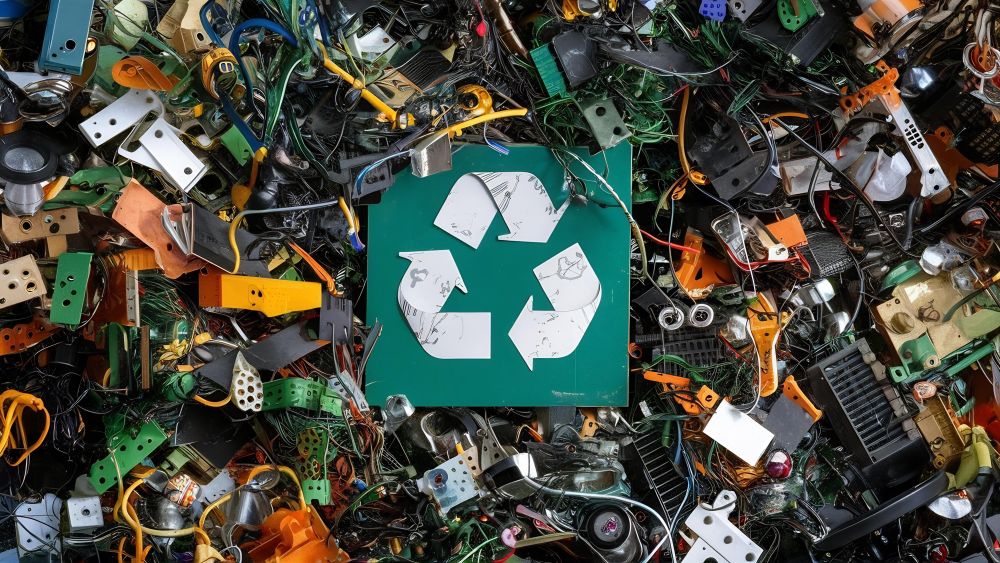
Ewaste Recycling: How to Dispose Electronics the Right Way

Ewaste recycling begins with a recognition that arrived late to most of the developed world: the devices we carry contain both treasure and poison. Inside every smartphone lies gold and silver alongside lead and mercury, rare earth elements mixed with toxic flame retardants. Singapore, generating 60,000 tonnes of electronic waste annually, can no longer afford wilful blindness about disposal. The question is no longer whether to recycle electronics properly but how to do so in ways that actually work.

The Journey of a Discarded Device

Consider the path of a mobile phone tossed into a general waste bin. It travels to an incineration plant where temperatures reach 850 degrees Celsius. Plastics burn, releasing compounds despite filtration. Metals melt and mix with ash. Some toxins transform into more dangerous forms. The residue ends up in landfills or on ships bound for developing nations where informal recyclers handle waste for wages that would shock most Singaporeans.

Electronic waste recycling offers a different story, one where materials are systematically separated, toxins safely contained, and valuable elements recovered for reuse. But only if devices reach the right channels.

Identifying What Belongs in Electronic Waste Streams

The category extends beyond computers and phones. Regulatory definitions encompass any item requiring electricity or batteries:

  • Computing devices including laptops, tablets, monitors, and accessories
  • Mobile phones with chargers, cables, and headphones
  • Entertainment electronics such as televisions and gaming consoles
  • Photography equipment including digital cameras
  • Kitchen appliances from coffee makers to electric kettles
  • Personal care items like hair dryers and electric toothbrushes
  • Tools including drills, battery chargers, and power banks
  • Lighting including LED bulbs and fluorescent tubes

That drawer of tangled cables? Each qualifies. Ancient mobile phones stored as backups? They need proper ewaste disposal. The broken fan awaiting repair? It belongs in recycling streams.

The Practical Mechanics of Proper Disposal

Singapore’s infrastructure for recycling electronic waste operates through several systems. The Extended Producer Responsibility scheme requires retailers to accept old electronics when customers purchase replacements. Walk into an electronics shop with an old laptop, walk out with a new one, the old device entering proper recycling channels.

Public collection points, marked by blue bins with electronic waste symbols, dot HDB estates and community centres. These bins accept smaller items readily. Town councils organize quarterly collection drives for larger items, though the episodic nature creates gaps between collections.

Some community centres have established permanent collection points staffed by volunteers who ensure items are properly sorted and prepared for recycling. These centres often provide basic data wiping services and advice on whether devices might be suitable for donation rather than recycling.

The Critical Step Everyone Forgets

Before any device enters electronic waste recycling systems, one task takes precedence: data security. Phones and computers store personal information that factory resets alone cannot fully erase.

Proper data destruction requires specialized software that overwrites storage multiple times, or physical destruction of hard drives and memory chips. This presents tension between security and sustainability. Thoroughly destroyed devices cannot be refurbished. Yet inadequate data wiping exposes former owners to risks no environmental benefit justifies.

The solution requires judgment. Older devices with minimal personal data might be wiped and donated for reuse. Devices containing sensitive information require thorough destruction before recycling of electronic waste proceeds.

The Materials Worth Recovering

What makes proper e-waste disposal worthwhile extends beyond environmental protection. Electronics contain valuable materials. A tonne of circuit boards yields more gold than a tonne of gold ore. The copper in cables, silver in contacts, and palladium in components all retain value.

Singapore’s formal recycling infrastructure captures these materials through regulated processes. Informal recyclers pursue the same materials through methods that prioritize profit over worker safety. The difference lies in externalities. Formal systems internalize costs. Informal systems externalize them onto workers and environments.

Singapore’s Ambitious Targets

The government’s vision for a zero-waste nation by 2030 places significant emphasis on electronic waste management. New regulations require manufacturers and retailers to take greater responsibility for end-of-life disposal. Extended Producer Responsibility schemes now cover a wider range of electronics than ever before. These policy shifts reflect growing recognition that individual action alone cannot solve systemic problems, yet policy without participation remains merely aspiration written into regulations.

Why Individual Actions Matter

The government can mandate producer responsibility and build infrastructure, but systems only succeed when individuals participate. Every phone properly recycled represents toxic materials safely managed and valuable resources recovered. Multiply these acts across millions of devices and the numbers become significant.

Yet participation rates remain disappointingly low. Convenience, awareness, and habit all factor into disposal decisions. Making proper ewaste recycling the default choice requires infrastructure that meets people where they are, information campaigns that reach beyond the already convinced, and cultural shifts that make responsible disposal automatic. The technology exists. The systems are in place. What remains is the choice each person makes when facing old electronics, whether to take the easy path or the right one, making proper ewaste recycling not just available but inevitable.

Categories
Default

Tech Recruitment Singapore: Hire Top IT Talent Fast and Easily

Tech recruitment Singapore has become one of the most dynamic and competitive sectors in Southeast Asia, driven by the city-state’s ambition to cement its position as a global technology hub. As companies scramble to digitalise their operations and innovate at pace, the demand for skilled IT professionals has reached unprecedented levels. Understanding how to navigate this landscape effectively can mean the difference between building a world-class team and watching opportunities slip away to competitors.

Understanding Singapore’s Tech Talent Landscape

Singapore’s technology sector has experienced remarkable growth over the past decade. The government’s Smart Nation initiative and substantial investments in digital infrastructure have created an ecosystem where tech companies thrive. However, this growth has also intensified competition for skilled professionals.

The landscape is characterised by a diverse talent pool that includes local graduates, returning Singaporeans with international experience, and foreign professionals drawn by the country’s reputation for innovation. According to recent industry reports, “Singapore faces a significant talent gap in emerging technologies, with demand outstripping supply by nearly 40% in key areas such as artificial intelligence, cybersecurity, and cloud computing.”

Why Tech Hiring in Singapore Presents Unique Challenges

Recruiting technology professionals in Singapore requires a nuanced approach. Several factors contribute to the complexity:

  • Salary expectations: Tech professionals in Singapore command premium salaries, often comparable to or exceeding those in traditional financial services roles
  • Skills shortage: Specialised skills in areas like machine learning, blockchain, and DevOps remain scarce
  • Cultural fit: Finding candidates who align with company values whilst possessing the technical expertise can be challenging
  • Visa considerations: For foreign hires, navigating Employment Pass requirements and quotas adds another layer of complexity
  • Counter-offers: Top talent frequently receives multiple offers, making retention strategies crucial from the outset

Strategies for Effective IT Recruitment

Build a compelling employer brand

In a candidate-driven market, your reputation matters enormously. Tech professionals research potential employers thoroughly, examining everything from Glassdoor reviews to your engineering blog. Develop a strong narrative about your technology stack, career development opportunities, and company culture. Authenticity resonates more powerfully than polished corporate messaging.

Leverage multiple sourcing channels

Relying solely on job boards won’t suffice in today’s market. Successful technology recruitment strategies employ a multi-channel approach:

  • Professional networking platforms and tech-specific communities
  • University partnerships and graduate programmes
  • Tech meetups and hackathons
  • Employee referral schemes with meaningful incentives
  • Engagement with coding boot camps and skills training providers

Streamline your interview process

Lengthy, cumbersome interview processes drive candidates towards competitors. As one senior recruiter noted, “In Singapore’s fast-paced tech environment, companies that can make decisions within two weeks have a distinct advantage over those taking a month or longer.”

Design an efficient process that respects candidates’ time whilst thoroughly assessing technical competencies and cultural alignment. Consider technical assessments that mirror real-world challenges rather than abstract algorithm tests.

Key Roles in Demand

The tech recruitment singapore shows particularly strong demand for:

  • Software engineers with expertise in modern frameworks
  • Data scientists and analysts
  • Cybersecurity specialists
  • Cloud architects and engineers
  • Product managers with technical backgrounds
  • Full-stack developers
  • DevOps engineers

Understanding which roles are most critical to your organisation allows you to prioritise recruitment efforts and allocate resources effectively.

Compensation and Benefits Considerations

Competitive remuneration packages extend beyond base salary. Tech professionals increasingly value:

  • Flexible working arrangements and remote work options
  • Professional development budgets and learning opportunities
  • Stock options or equity participation
  • Comprehensive health and wellness benefits
  • Clear career progression pathways

Research indicates that “companies offering flexible work arrangements and robust learning opportunities see 30% higher acceptance rates amongst tech candidates in Singapore.”

The Role of Employer Branding in Tech Hiring

Your employer brand communicates who you are as an organisation and why talented individuals should join your team. In the technology sector, this means showcasing:

  • Interesting technical challenges your team tackles
  • Investment in cutting-edge technologies and tools
  • Opportunities for innovation and experimentation
  • Diverse and inclusive workplace culture
  • Impact of work on customers or society

Strong employer branding reduces time-to-hire and improves candidate quality by attracting professionals who genuinely align with your mission and values.

Looking Ahead

The landscape of hiring tech talent in Singapore continues to evolve rapidly. Emerging technologies create new role categories whilst automation transforms existing positions. Successful organisations anticipate these shifts, investing in upskilling current employees whilst recruiting for future needs.

Building relationships within the tech community, maintaining a talent pipeline, and treating candidates with respect throughout the process all contribute to long-term recruitment success. Remember that every candidate interaction shapes your reputation, regardless of whether they receive an offer.

Conclusion

Navigating the competitive world of technology recruitment requires strategy, patience, and adaptability. By understanding the unique dynamics of Singapore’s market, building a compelling employer brand, and implementing efficient processes, organisations can successfully attract and retain the talent they need to thrive. The key lies in approaching recruitment not as a transactional process but as relationship-building that begins long before a position opens and continues well after someone joins your team. With the right approach and commitment to excellence, companies can successfully navigate tech recruitment singapore and build teams that drive innovation and growth.

Categories
Default

Transform Your Old Devices: The Complete Upcycling Guide

Upcycling electronics has emerged as one of the most practical solutions to Singapore’s mounting electronic waste crisis, offering both environmental benefits and creative possibilities for discarded devices. In a city-state where land scarcity makes every square metre precious, the choice between disposal and transformation has never been more consequential. The numbers tell a sobering story: Singaporeans generate thousands of tonnes of electronic waste annually, yet much of this material contains valuable resources waiting to be recovered and reimagined.

The reality is straightforward. Every mobile phone, laptop, and household appliance contains materials that required significant energy and resources to extract and manufacture. When these devices reach the end of their intended lifespan, they need not become waste. Instead, they can be transformed into something useful, extending their value far beyond their original purpose.

What Electronic Upcycling Actually Means

The practice of repurposing old electronics differs fundamentally from traditional recycling. Whilst recycling breaks down materials into raw components, Upcycling electronics transforms devices into new products without extensive reprocessing. An obsolete computer tower becomes a unique planter. Circuit boards evolve into jewellery. Keyboard keys find new life as decorative art. The process preserves much of the original form whilst creating something entirely different in function.

Consider the humble hard drive. Once its data storage capacity becomes insufficient for modern needs, the device typically heads for disposal. Yet its precision-machined components, rare earth magnets, and metallic platters offer remarkable possibilities. Creative individuals have transformed these components into:

  • Wall clocks featuring the drive’s circular platter as the face 
  • Desktop organizers using the sturdy metal casing 
  • Art installations incorporating the internal mechanisms 
  • Bookends showcasing the industrial aesthetic

Singapore’s Regulatory Framework

The National Environment Agency has established comprehensive guidelines for managing electronic waste in Singapore. According to the Resource Sustainability Act, “the implementation of a regulated e-waste management system in Singapore will ensure the proper and safe handling and extraction of resources from e-waste. This system will also fund the aggregation and recovery of valuable resources from e-waste for reuse, turning trash into treasure.”

This regulatory approach reflects Singapore’s broader commitment to building a circular economy. The Extended Producer Responsibility framework, introduced under the Act, assigns clear responsibilities to manufacturers, retailers, and consumers. Large retailers must provide collection points for unwanted electronics. Producers must ensure proper treatment of devices at end-of-life. These requirements create infrastructure that supports both conventional recycling and creative upcycling initiatives.

The regulations also establish standards for handling electronic waste safely. Devices contain hazardous materials including lead, mercury, and cadmium. Proper handling protects both human health and environmental quality. Anyone engaging in electronics upcycling must understand these risks and take appropriate precautions.

Practical Approaches to Electronic Repurposing

Starting with Upcycling electronics requires no specialized training, only imagination and basic tools. The process begins with assessment. Which components remain functional? What aesthetic qualities does the device possess? How might its structure serve a different purpose?

Old monitors offer excellent starting points. The frames can become terrariums or shadow boxes. The stands provide ready-made desk organizers. Even broken screens, once safely handled, can be transformed into unique mirrors or picture frames.

Smartphones present particular opportunities. Their compact size and integrated features make them ideal for repurposing as:

  • Dedicated music players for workshops or outdoor spaces 
  • Digital photo frames displaying rotating images 
  • Security cameras when paired with appropriate software 
  • Remote controls for smart home systems 
  • Webcams for video conferencing

Environmental and Economic Benefits

The advantages of electronic upcycling extend beyond mere waste reduction. Each device kept from disposal represents avoided emissions from manufacturing new products. The electronics industry requires substantial energy and water resources. Extending product lifecycles through creative reuse reduces this environmental burden measurably.

Financial benefits accrue as well. Upcycled electronics can be sold through online marketplaces or craft fairs. Small businesses have emerged around transforming electronic waste into furniture, lighting fixtures, and decorative objects. These enterprises demonstrate that environmental responsibility and economic viability need not conflict.

Getting Started Safely

Safety considerations must guide any upcycling project. Batteries require careful removal and proper disposal through designated collection points. Capacitors can retain dangerous charges long after devices are unplugged. Certain components contain toxic materials requiring protective equipment during handling.

Before beginning any project:

  • Research the specific device to identify hazardous components 
  • Gather appropriate tools including screwdrivers, pliers, and safety glasses 
  • Work in well-ventilated areas when cutting or sanding materials 
  • Dispose of unusable components through proper channels 
  • Never incinerate electronic components

The Path Forward

Singapore’s journey towards becoming a zero-waste nation depends partly on citizens embracing creative solutions for managing discarded electronics. Government regulations provide essential infrastructure and standards. Yet individual action determines whether devices find new purposes or contribute to mounting waste streams.

The choice belongs to each person holding an obsolete mobile phone or outdated laptop. These devices need not represent waste. They contain materials, components, and possibilities limited only by imagination and effort. In a resource-constrained world, the practice of Upcycling electronics offers both practical benefits and a different way of considering our relationship with the objects we use daily.

Categories
Default

Why Ignoring EMA License Renewal Could Shut Down Your Business

EMA license renewal is not an administrative formality to delegate to someone who might remember it. It is a legal requirement that, if ignored, can result in your electrical installation being disconnected and your business grinding to a halt. Yet every year, premises operators treat renewal deadlines with cavalier indifference, apparently believing the regulations exist merely as suggestions.

The Energy Market Authority issues electrical installation licences with expiry dates for good reason. When licences lapse, installations become unauthorised.

Understanding What Requires Renewal

Not every electrical installation in Singapore requires an EMA licence. According to the Energy Market Authority guidelines, licences are mandatory for:

  • Non-domestic electrical installations with approved loads exceeding 45 kVA 
  • All installations used in hazardous trades, regardless of approved load 
  • All supply installations for non-domestic purposes, regardless of load

Hazardous trades include businesses dealing with highly flammable materials, construction activities, motor vehicle paint workshops, woodworking facilities, and petrol service stations. If your operation falls into these categories, renewal is not optional.

The licence remains valid for 12 months. Operating with an expired licence constitutes a breach of the Electricity Act, exposing operators to penalties and disconnection.

The Six-Week Warning

The Energy Market Authority operates a notification system designed to prevent lapses. According to official guidance, “the licence holder of the Electrical or Supply Installation will receive a renewal notice about 6 weeks before the licence expiry date.”

Six weeks provides adequate time for inspection scheduling, defect remediation, and administrative completion. This advance warning eliminates any excuse for missing deadlines.

Yet premises operators miss deadlines with depressing regularity. Some ignore notices. Others assume someone else is handling it. Many simply forget until disconnection occurs.

The Licensed Electrical Worker’s Critical Role

Licence renewal requires professional assessment by a qualified individual. The regulations specify that “your appointed Licensed Electrical Worker will inspect the installation and ensure that it is safe to operate before renewing the licence on your behalf.”

The appointed LEW must verify that the installation remains compliant with safety standards, that protective devices function correctly, and that no deterioration threatens safe operation. The LEW then submits the renewal application through the e-Licensing Information Services portal.

Critical Timeline Requirements

The regulations impose specific deadlines. Official guidance states: “An application for the renewal of an electrical installation licence shall be made to the Authority not later than one month prior to the date of expiry of the licence.”

This one-month deadline is absolute. Applications submitted later may not be processed before expiry, leaving installations operating without valid licences.

The renewal process follows this sequence:

  • Receive renewal notice six weeks before expiry 
  • Engage appointed LEW to conduct inspection 
  • LEW identifies and addresses any defects 
  • LEW submits renewal application through ELISE portal 
  • Authority processes application and issues renewed licence

This timeline assumes nothing goes wrong. If defects require remediation, additional time becomes necessary. Waiting until the last minute leaves no buffer.

Consequences of Non-Renewal

The Electricity Act imposes penalties for operating without valid licences. More significantly, the Energy Market Authority can direct disconnection of unauthorised installations.

Consider what disconnection means:

  • Complete loss of electrical power 
  • Inability to operate equipment or machinery 
  • Closure of premises until licensing resolved 
  • Loss of revenue during shutdown 
  • Potential contractual breaches with customers 
  • Reputational damage from forced closure

These consequences dwarf any renewal fees or inspection costs.

The Inspection Component

The renewal inspection serves purposes beyond regulatory compliance. It provides annual verification that installations remain safe, identifies deterioration before it causes failures, confirms that protective devices function correctly, and ensures no unauthorised modifications have compromised safety.

This annual health check catches problems early. Equipment degrades over time. Connections loosen. Protective devices fail. Regular inspection identifies issues whilst they remain manageable.

Administrative Efficiency

Efficient renewal management requires basic competence. Licence holders should:

  • Maintain calendars marking expiry dates 
  • Set reminders six to eight weeks in advance 
  • Maintain current contact information for appointed LEWs 
  • Ensure someone bears responsibility for managing renewal

These simple measures prevent last-minute scrambles and missed deadlines. Their absence causes most renewal failures.

The Professional Relationship

Appointing a competent LEW to take charge of electrical installations creates an ongoing relationship. This LEW understands the installation, maintains familiarity with its characteristics, and can efficiently conduct annual inspections.

Changing LEWs frequently disrupts continuity. New appointees must familiarise themselves with installations they have never seen. Maintaining stable professional relationships benefits everyone.

Moving Forward

The renewal system works when operators take it seriously. Licences remain valid. Installations receive annual safety verification. Business operations proceed without disruptions.

The system fails when operators treat renewal as an afterthought. Deadlines pass. Licences lapse. Installations operate without authorisation. Penalties follow.

Which outcome occurs depends entirely on whether licence holders treat renewal with appropriate seriousness. The regulations are clear. The timelines are generous. The procedures are straightforward. Success requires only basic competence in managing the process of ema license renewal.