Categories
Default

The Hidden Revolution: How Smart Technology is Quietly Transforming Energy Use Across the Globe

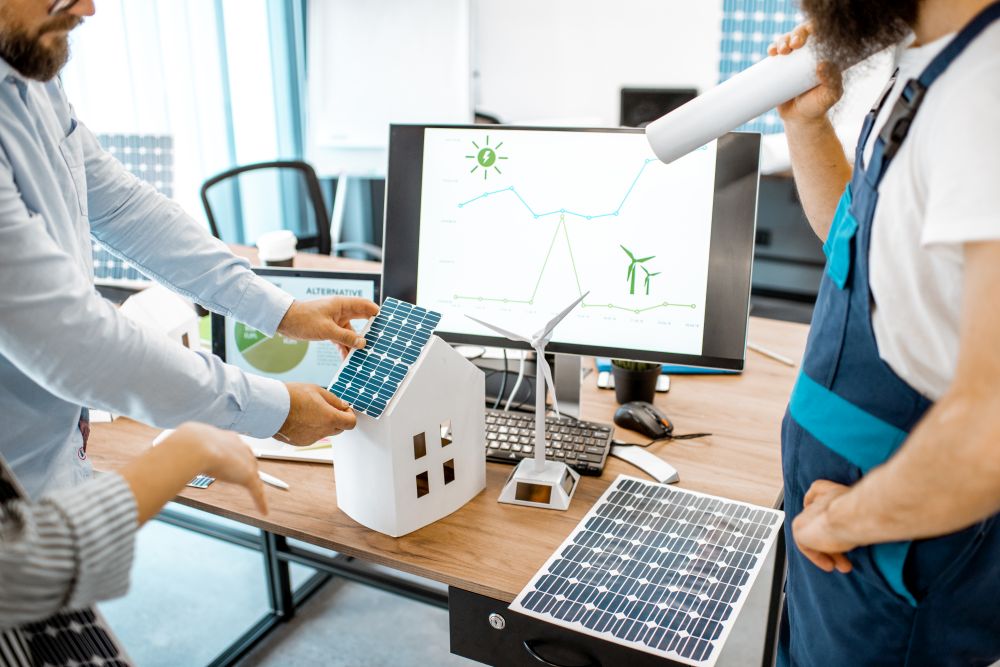
The quiet revolution of smart energy management has begun unfolding in homes, offices, and entire cities across the world, fundamentally altering how we generate, distribute, and consume power in ways that most people never see but increasingly feel in their daily lives. Behind the familiar hum of air conditioning and the simple flip of a light switch lies an intricate web of sensors, algorithms, and automated systems that are reshaping humanity’s relationship with energy itself.

The Invisible Orchestra of Efficiency

In the predawn hours of a typical Tuesday, whilst most residents sleep soundly in their beds, an invisible orchestra springs into action. Intelligent monitoring systems analyse weather patterns, predict peak demand periods, and automatically adjust building temperatures by fractions of degrees. Solar panels tilt toward the rising sun, battery storage systems prepare to capture excess energy, and smart grids balance supply and demand with mathematical precision that would have seemed like science fiction just decades ago.

This seamless choreography represents the essence of intelligent energy optimisation—a sophisticated dance between technology and necessity that occurs millions of times each day, largely unseen but increasingly essential to modern life. The systems learn from patterns, adapt to circumstances, and optimise performance with a relentlessness that human operators could never match.

Beyond the Smart Meter: A Deeper Integration

The evolution of energy intelligence extends far beyond the simple smart metres that many households now recognise. Today’s most advanced systems integrate multiple technologies into cohesive ecosystems that respond dynamically to both internal conditions and external grid demands. These comprehensive platforms encompass:

  • Predictive analytics that forecast energy needs based on weather patterns, occupancy schedules, and historical usage data 

  • Automated load balancing that shifts non-essential energy consumption to off-peak periods 

  • Real-time grid integration that allows buildings to sell excess renewable energy back to the network 

  • Machine learning algorithms that continuously improve efficiency through pattern recognition 

  • Distributed energy resources that coordinate solar panels, wind turbines, and battery storage systems

The sophistication of these integrated systems means that a building can effectively become its energy ecosystem, generating power when conditions are optimal, storing it when demand is low, and consuming it precisely when needed most efficiently.

The Human Element in Digital Energy

Beneath the layers of automation and algorithmic decision-making lies a fundamentally human story. Families reduce their electricity bills whilst maintaining comfort. Office workers enjoy consistent lighting and temperature control without giving energy consumption a second thought. Elderly residents stay warm in winter and cool in summer without worrying about prohibitive costs.

The most successful implementations of advanced energy optimisation recognise that technology serves people, not the other way around. The best systems operate invisibly, enhancing quality of life whilst reducing environmental impact. They learn individual preferences, adapt to lifestyle changes, and provide gentle feedback that encourages more sustainable behaviours without imposing rigid constraints.

Singapore’s Pioneering Approach

The island nation has emerged as a global laboratory for energy innovation, pioneering technologies that other countries are now eager to replicate. Government officials have emphasised the critical role of integrated systems, with one minister noting that new installations “will have a smart energy management system to integrate solar, energy storage, and electric vehicle (EV) chargers to help power their operations.”

This holistic approach demonstrates how intelligent energy coordination can address multiple challenges simultaneously, supporting renewable energy adoption, enabling electric vehicle infrastructure, and maintaining grid stability. Singapore’s initiatives include floating energy storage systems equipped with artificial intelligence, digital twins of the national electricity grid, and service stations that seamlessly blend solar power, battery storage, and rapid vehicle charging.

The Economic Transformation

The financial implications of widespread energy intelligence adoption extend far beyond individual utility bills. Businesses report operational cost reductions of 20-40% within the first year of implementing comprehensive monitoring and optimisation systems. Property values increase as energy-efficient buildings command premium rents and attract environmentally conscious tenants.

Perhaps more significantly, the technology creates entirely new economic opportunities. Energy trading between buildings, demand response programmes that pay consumers for reducing consumption during peak periods, and virtual power plants that aggregate distributed resources into grid-scale assets represent emerging markets worth billions of pounds annually.

Navigating the Challenges Ahead

The rapid proliferation of intelligent energy systems also introduces complexities that society is still learning to navigate. Data privacy concerns arise as systems collect detailed information about occupancy patterns and energy usage. Cybersecurity threats target increasingly connected infrastructure. The digital divide means that some communities lack access to the benefits of energy optimisation, whilst others enjoy significant advantages.

Additionally, the sheer pace of technological advancement can overwhelm both consumers and policymakers. Standards struggle to keep pace with innovation, and interoperability between systems from different manufacturers remains inconsistent. Training skilled technicians to install, maintain, and operate these sophisticated systems presents an ongoing workforce challenge.

The Path Forward

The trajectory toward more intelligent energy management appears irreversible, driven by environmental necessity, economic opportunity, and technological capability. The most promising developments focus on making these systems more accessible, more secure, and more beneficial to society as a whole.

Emerging technologies promise even greater sophistication: artificial intelligence that can predict and prevent equipment failures before they occur, blockchain systems that enable peer-to-peer energy trading, and quantum computing applications that could optimise grid operations with unprecedented precision.

The transformation extends beyond mere technological achievement to represent a fundamental shift in how humanity approaches one of its most basic needs. As climate change intensifies and energy demands continue growing, the quiet revolution of smart energy management offers hope that technology and human ingenuity can create a more sustainable, efficient, and equitable energy future for all.

Categories
Default

Web Design Singapore: A Comprehensive Guide to Boosting Your Business with Professional Web Design

In today’s digital era, web design Singapore plays a pivotal role in determining the success of businesses. Singapore, being a global technology hub, presents unique opportunities for enterprises to leverage professional web design services to establish a compelling online presence.

This comprehensive guide delves deep into how businesses can harness the power of professional web design in Singapore to achieve sustainable growth in a competitive market.

Understanding Singapore’s Digital Landscape

Singapore’s strategic position in the global economy and its technological advancements make it a hotspot for digital innovation. With a highly connected population and a strong digital infrastructure, the expectations for online experiences are exceptionally high.

Market Characteristics

  • 92% Internet Penetration Rate: A vast majority of Singapore’s population is online, making digital channels the primary means of communication and commerce.
  • 5.45 Million Active Internet Users: This sizable user base signifies a massive potential audience for businesses.
  • 4.96 Million Mobile Internet Users: Mobile optimization is crucial as most users access the internet via smartphones.
  • 85% of Consumers Research Online Before Purchasing: A strong online presence influences purchasing decisions.
  • Growing Preference for Mobile Commerce: Mobile shopping is on the rise, necessitating mobile-friendly web designs.
  • High Expectations for Website Performance: Users expect fast, seamless, and intuitive online experiences.

Understanding these characteristics is essential for businesses aiming to create web design Singapore websites that resonate with the local audience and meet their high expectations.

Essential Elements of Professional Web Design

Creating a website that stands out in Singapore’s competitive digital market requires a focus on several key elements that enhance user experience and engagement.

User Experience Design

User experience (UX) is at the heart of effective web design. A website should not only look good but also provide an intuitive and enjoyable experience for users.

  • Intuitive Navigation Systems: Easy-to-use menus and navigation aids help users find what they’re looking for quickly.
  • Clear Information Architecture: Organizing content logically improves usability and user satisfaction.
  • Streamlined User Flows: Simplify processes like sign-ups, checkouts, and inquiries to reduce friction.
  • Fast Loading Speeds: Optimize website performance to meet users’ expectations for quick access.
  • Mobile-First Design Approach: Design for mobile devices first to cater to the majority of users.
  • Accessible Interface Elements: Ensure the website is usable by people with disabilities, complying with accessibility standards.

Visual Design Excellence

Visual appeal significantly impacts the first impression a website makes on visitors.

  • Clean, Contemporary Layouts: Modern designs with uncluttered layouts enhance readability and engagement.
  • Strategic Use of White Space: Balancing content with empty space improves focus and aesthetics.
  • Professional Typography: Choosing the right fonts enhances readability and conveys the brand’s personality.
  • High-Quality Imagery: Using professional images and graphics adds credibility and visual interest.
  • Consistent Branding Elements: Maintain consistency in colors, logos, and messaging to strengthen brand identity.
  • Color Psychology Implementation: Use colors strategically to evoke desired emotions and actions.

Mobile Optimization

With mobile usage surpassing desktop, optimizing websites for mobile devices is non-negotiable.

  • Responsive Design Across All Devices: Ensure the website adapts seamlessly to various screen sizes.
  • Touch-Friendly Navigation: Design buttons and links that are easily tappable on touchscreens.
  • Optimized Content for Mobile Viewing: Adjust text, images, and layouts for mobile readability.
  • Fast Mobile Loading Speeds: Optimize images and code to reduce load times on mobile networks.
  • Simplified Mobile Checkout Process: Streamline purchasing steps for mobile users.
  • App-Like Functionality Where Appropriate: Incorporate features like push notifications and offline access if beneficial.

Technical Considerations

Beyond aesthetics and usability, technical excellence is crucial for a website’s performance and success.

Singaporean users have little patience for slow websites.

  • Implement Content Delivery Networks (CDNs): Use CDNs to distribute content efficiently across global servers.
  • Optimize Image Sizes and Formats: Compress images without losing quality to speed up loading times.
  • Minimize Code and Scripts: Clean up unnecessary code to enhance performance.
  • Enable Browser Caching: Allow browsers to store website data locally for faster access.
  • Reduce Server Response Time: Use reliable hosting services and optimize server configurations.
  • Regular Performance Monitoring: Continuously check and improve website speed and responsiveness.

Search Engine Optimization

To rank well on search engines like Google, effective SEO strategies are essential.

  • Singapore-Specific Keywords: Incorporate keywords that local users are likely to search for.
  • Local Business Listings: Ensure the business is listed on local directories and Google My Business.
  • Location-Based Content: Create content that appeals to local interests and trends.
  • Mobile Search Optimization: Optimize for mobile search algorithms.
  • Local Backlink Building: Gain links from reputable local websites.
  • Schema Markup Implementation: Use structured data to enhance search engine understanding of the website content.

Security Measures

Building trust with users is paramount, and security is a significant part of that trust.

  • SSL Certification: Encrypt data to protect user information and boost SEO rankings.
  • Regular Security Updates: Keep all software and plugins up to date to prevent vulnerabilities.
  • Secure Payment Gateways: Use trusted payment processors to protect financial transactions.
  • Data Protection Compliance: Adhere to local data protection laws like the PDPA.
  • Privacy Policy Implementation: Clearly state how user data is collected and used.
  • Regular Security Audits: Proactively identify and fix security issues.

Cultural Considerations

Understanding and respecting local culture enhances user connection and engagement.

Singapore is a melting pot of cultures and languages.

  • English as Primary Language: English is widely used and should be the main language of the website.
  • Chinese Language Options: Offer content in Chinese to cater to a significant portion of the population.
  • Clear, Concise Writing: Avoid jargon and use straightforward language.
  • Cultural Sensitivity: Be mindful of local customs and traditions in content and imagery.
  • Local Context Integration: Reference local events and contexts where appropriate.
  • Appropriate Imagery Selection: Use images that reflect the diversity and culture of Singapore.

Local Market Understanding

Tailoring the website to local preferences can significantly impact its success.

  • Multi-Ethnic Audience Preferences: Design with inclusivity in mind to appeal to diverse ethnic groups.
  • Local Business Customs: Understand and incorporate local business practices and etiquette.
  • Festival Seasons and Holidays: Align marketing efforts with local holidays like Chinese New Year and Hari Raya.
  • Cultural Color Associations: Be aware of color meanings in different cultures to avoid misinterpretation.
  • Local Payment Preferences: Offer payment methods popular in Singapore.
  • Community Values: Reflect community-centric values like harmony and respect in content.

E-commerce Integration

For businesses selling products or services online, seamless e-commerce functionality is critical.

Payment Solutions

Providing preferred and secure payment options enhances trust and convenience.

  • Credit Card Processing: Accept major credit cards with secure processing.
  • PayNow Integration: Incorporate PayNow for instant bank transfers.
  • GrabPay Compatibility: Offer GrabPay as a popular digital wallet option.
  • Bank Transfer Options: Allow direct bank transfers for traditional users.
  • Digital Wallet Support: Include other digital wallets like Apple Pay or Google Pay.
  • Installment Payment Plans: Offer flexible payment options for higher-priced items.

Shopping Experience

A smooth shopping experience encourages purchases and repeat business.

  • Intuitive Product Categorization: Organize products logically for easy browsing.
  • Advanced Search Functionality: Implement robust search features with filters.
  • Clear Pricing Information: Display prices transparently, including taxes and fees.
  • Simple Checkout Process: Minimize steps required to complete a purchase.
  • Multiple Shipping Options: Provide various delivery methods and speeds.
  • Order Tracking Capabilities: Allow customers to track their orders in real-time.

Lead Generation and Conversion

Converting website visitors into leads and customers is a primary goal of web design.

Call-to-Action Optimization

Effective calls-to-action (CTAs) guide users toward desired actions.

  • Strategic Button Placement: Position CTAs where they are easily noticeable.
  • Clear Value Propositions: Communicate the benefits of taking action.
  • Urgency Elements: Use time-sensitive offers to encourage immediate action.
  • Mobile-Friendly Design: Ensure CTAs are accessible on all devices.
  • A/B Testing Implementation: Test different CTAs to see what performs best.
  • Conversion Tracking: Monitor CTA effectiveness to refine strategies.

Form Design

Optimized forms increase the likelihood of users completing them.

  • Minimal Required Fields: Ask only for essential information to reduce abandonment.
  • Clear Field Labels: Use straightforward labels to avoid confusion.
  • Mobile-Friendly Inputs: Design forms that are easy to fill out on mobile devices.
  • Progress Indicators: For multi-step forms, show users how far they’ve progressed.
  • Error Prevention: Validate inputs in real-time to prevent errors.
  • Thank You Pages: Acknowledge submissions and guide users to next steps.

Content Strategy

Content is king in the digital world. Providing valuable content keeps users engaged and improves SEO.

Engaging Content Types

Diversifying content types caters to different user preferences.

  • Informative Blog Posts: Share expertise and insights to establish authority.
  • Case Studies: Showcase success stories to build credibility.
  • Video Content: Use videos to engage users and explain complex concepts.
  • Infographics: Present data visually for easier understanding.
  • Product Demonstrations: Highlight product features and benefits.
  • Customer Testimonials: Build trust through real customer experiences.

Content Planning

A structured content strategy ensures consistency and effectiveness.

  • Regular Updates: Keep content fresh to encourage return visits.
  • SEO Optimization: Use keywords and meta tags to improve search rankings.
  • Social Media Integration: Share content across platforms to increase reach.
  • Email Marketing Alignment: Coordinate content with email campaigns.
  • Content Calendar: Plan ahead to maintain a steady flow of content.
  • Performance Tracking: Analyze content performance to inform future strategies.

Maintenance and Growth

A website is not a set-and-forget asset. Ongoing maintenance and optimization are essential.

Regular Updates

Keeping the website up-to-date ensures security and relevance.

  • Content Freshness: Update information regularly to keep users informed.
  • Security Patches: Apply updates to protect against vulnerabilities.
  • Feature Updates: Add new functionalities to enhance user experience.
  • Performance Optimization: Continuously improve speed and efficiency.
  • Bug Fixes: Address issues promptly to maintain functionality.
  • Backup Management: Regularly back up data to prevent loss.

Analytics and Monitoring

Data-driven decisions improve website performance over time.

  • Google Analytics Integration: Track user behavior and site performance.
  • User Behavior Analysis: Understand how users interact with the site.
  • Conversion Tracking: Measure the effectiveness of marketing efforts.
  • Performance Metrics: Monitor key indicators like bounce rate and session duration.
  • Heat Mapping: Visualize user interactions to identify areas for improvement.
  • A/B Testing: Experiment with different elements to optimize conversions.

Investment Considerations

Allocating resources wisely ensures that the web design project delivers value.

Budget Planning

Understanding costs helps in making informed decisions.

  • Design Complexity: More intricate designs require more investment.
  • Feature Requirements: Advanced functionalities may increase costs.
  • Content Creation: Quality content requires time and possibly professional services.
  • Ongoing Maintenance: Budget for regular updates and support.
  • Marketing Integration: Consider costs for SEO and other marketing efforts.
  • Future Scalability: Invest in a scalable design to save costs in the long run.

ROI Measurement

Measuring return on investment justifies the expenditure and guides future actions.

  • Traffic Growth: Increased visitors indicate successful outreach.
  • Conversion Rates: Higher conversions reflect effective design and content.
  • Lead Generation: More leads suggest better engagement strategies.
  • Sales Increases: Direct correlation between website improvements and sales.
  • Brand Awareness: Enhanced recognition through online presence.
  • Customer Engagement: Increased interaction signifies a strong connection with the audience.

Future-Proofing

Anticipating future trends ensures the website remains relevant and competitive.

Emerging Technologies

Staying ahead of technological advancements can offer a competitive edge.

  • AI Integration: Implement chatbots and personalized experiences.
  • Voice Search Optimization: Adapt content for voice-activated searches.
  • Progressive Web Apps: Combine the best of web and mobile apps.
  • 5G Capabilities: Prepare for faster mobile network speeds.
  • AR/VR Compatibility: Explore augmented and virtual reality features.
  • Blockchain Integration: Consider blockchain for enhanced security and transparency.

Scalability Planning

Designing for scalability accommodates business growth.

  • Flexible Architecture: Use systems that can handle increased traffic and data.
  • Modular Design: Allow for easy addition of new features and sections.
  • API Integration: Connect with other services and platforms seamlessly.
  • Cloud Hosting: Utilize cloud services for reliability and scalability.
  • International Expansion: Prepare for multilingual and multi-regional support.
  • Multi-Site Capabilities: Manage multiple sites efficiently under one system.

Conclusion

Investing in professional web design Singapore services is a strategic move that can significantly impact your business’s success in the digital landscape. By focusing on user experience, technical excellence, cultural understanding, and forward-thinking strategies, businesses can create powerful websites that not only attract but also engage and convert visitors.

Your website is more than just an online brochure; it’s a dynamic tool that reflects your brand, values, and commitment to your customers. In Singapore’s competitive digital marketplace, standing out requires a blend of innovation, quality, and local relevance.

By partnering with experienced professionals who understand the intricacies of web design Singapore, you position your business to thrive in the modern economy. From optimizing for mobile users to implementing the latest technologies, a well-designed website is a cornerstone of sustainable growth.

Remember, effective web design is an ongoing process that evolves with technology and user expectations. Stay informed, be adaptable, and always keep your customers’ needs at the forefront of your digital strategy.

Categories
Default

Prolong the Life of Your Home Appliances with Regular Servicing

Home appliances play a crucial role in maintaining a smooth daily routine. From keeping our food fresh in the refrigerator to ensuring clean laundry, these appliances have become indispensable. When one breaks down, it can disrupt the entire household. That’s why professional residential appliances repair services are essential to restore functionality and ensure these machines continue running efficiently. By addressing repairs promptly, you can avoid costly replacements and prolong the life of your home appliances.

The Importance of Regular Home Appliance Maintenance

Maintaining your home appliances through regular servicing is key to preventing unexpected malfunctions. When you invest in residential appliances repair and maintenance, you ensure that your machines operate efficiently and safely. Routine check-ups help identify potential issues early on, allowing you to fix them before they escalate into major problems. Regular maintenance not only extends the lifespan of your appliances but also improves their energy efficiency, saving you money on utility bills.

Common Home Appliances that Require Regular Service

Dishwashers and Washers

Dishwashers and washing machines are heavily relied upon in many homes. Over time, they may develop problems like leaks, inefficient cleaning, or noisy operation. Engaging in residential appliances repair ensures that these issues are addressed promptly. Regular servicing can also help prevent damage to clothing and dishes, making these appliances more efficient.

Refrigerators

Refrigerators are one of the most essential home appliances. A malfunctioning refrigerator can lead to food spoilage and wasted groceries. Regular residential appliances repair is crucial for ensuring your fridge maintains the correct temperature and operates efficiently. By addressing issues like cooling inefficiencies and electrical malfunctions early on, you can avoid costly repairs or replacements.

Ovens and Stoves

Ovens and stoves require regular inspection for both performance and safety. Issues such as uneven cooking or faulty igniters can be fixed through expert residential appliances repair. Routine servicing ensures your appliances operate safely, preventing potential fire hazards.

Other Appliances: Microwaves, Dryers, and More

In addition to major appliances like refrigerators and ovens, smaller units like microwaves and dryers also require attention. Residential appliances repair services cover these essential household devices, ensuring they function correctly and last longer.

Comprehensive Home Appliance Service: What to Expect

When you schedule residential appliances repair, you can expect a thorough and detailed process. Expert technicians begin with a full diagnostic of the appliance, using advanced tools to identify the root cause of the problem. This diagnostic step ensures that the technician can perform targeted repairs, resolving the issue without unnecessary replacements or delays.

Once the problem has been pinpointed, the technician will proceed with the necessary repairs. Whether it’s replacing faulty parts or fixing mechanical or electrical issues, residential appliances repair is done with high-quality components to ensure longevity and reliability. Timely and expert repairs not only restore functionality but also minimize downtime, allowing you to get back to your routine as quickly as possible.

How to Choose a Reliable Home Appliance Service in Singapore

Choosing the right service provider for residential appliances repair is essential to ensure high-quality work and long-lasting results. Start by checking the company’s experience and credentials. A reliable service provider will have certified technicians with a proven track record of handling various appliance repairs.

It’s also important to look for a company that uses high-quality replacement parts and adheres to industry standards. Reading customer reviews and testimonials can give you insight into the quality of service and customer satisfaction. By selecting a trusted residential appliances repair provider, you can have peace of mind knowing that your home appliances are in capable hands.

Benefits of Timely Home Appliance Repairs

Timely residential appliances repair offers several advantages for homeowners. One of the primary benefits is cost savings. Addressing minor issues early on prevents them from developing into more serious and expensive problems. For example, a simple motor repair in a refrigerator could prevent a full compressor replacement later on.

Additionally, well-maintained appliances operate more efficiently, leading to lower energy bills. For instance, a refrigerator with clean coils and functioning parts will consume less electricity. Timely residential appliances repair also enhances safety by addressing potential hazards like faulty wiring or gas leaks, protecting your family and your home.

DWS Pte Ltd: Singapore’s Leading Home Appliance Service Provider

When it comes to residential appliances repair in Singapore, DWS Pte Ltd stands out as a leading service provider. With years of experience in the industry, DWS is committed to delivering high-quality repair solutions for all types of household appliances. Their team of certified technicians is equipped with advanced diagnostic tools to quickly and accurately identify appliance issues, ensuring repairs are done efficiently and to the highest standards.

DWS offers comprehensive residential appliances repair services, including the repair of dishwashers, washers, refrigerators, ovens, and more. They pride themselves on their ability to handle even the most complex repairs, using high-quality parts and industry-approved techniques. Whether you’re dealing with a minor issue or a major breakdown, DWS has the expertise to restore your appliances to full functionality.

Takeaway

Regular servicing and timely residential appliances repair are crucial for ensuring the longevity, efficiency, and safety of your home appliances. From dishwashers and refrigerators to ovens and microwaves, every appliance in your home plays a vital role in your daily routine. By choosing a trusted repair provider like DWS Pte Ltd, you can ensure that your appliances receive the professional attention they need, helping you avoid costly replacements and extend the lifespan of your machines. Contact DWS today for expert residential appliances repair in Singapore, and enjoy the peace of mind that comes with a well-maintained home.


Categories
Default

How Thermal Monitoring is Revolutionizing Industrial Safety

Hello there! I’m Dr. Lim, a senior engineer at Power Technologies in Singapore. My journey into the world of thermal monitoring solutions began with a literal spark – and not the good kind. Picture this: a fresh-faced engineer (yours truly) accidentally overloading a circuit during a late-night experiment, resulting in a small fire and a very angry supervisor. That eye-opening experience led me down the path of thermal analysis and industrial safety. Now, I’m here to share how thermal monitoring is changing the game in industrial settings, and trust me, it’s hotter than my infamous circuit board incident!

The Heat is On: Understanding Thermal Monitoring

What’s the Big Deal About Temperature?

In the world of industry, temperature isn’t just about comfort – it’s a critical indicator of equipment health, process efficiency, and safety. Thermal monitoring solutions allow us to keep a constant eye on temperature variations, potentially preventing disasters before they occur.

Enter the Thermal Camera: Our High-Tech Crystal Ball

At Power Technologies, we’ve embraced thermal imaging cameras as our go-to tools. These nifty devices can detect temperature differences as small as 0.1°C! It’s like having X-ray vision, but for heat.

Revolutionizing Safety: How Thermal Monitoring Changes the Game

1. Predictive Maintenance: Stopping Problems Before They Start

Remember my circuit board fiasco? With thermal monitoring, we can spot overheating components before they decide to throw a fireworks party. This predictive approach saves time, money, and maybe a few engineer’s eyebrows.

2. Energy Efficiency: Keeping Cool While Saving Cash

In Singapore’s tropical climate, energy efficiency is crucial. Thermal monitoring helps identify areas of heat loss or excessive energy use, allowing companies to optimize their systems and reduce costs.

3. Fire Prevention: Putting Out Fires Before They Start

Thermal cameras can detect hot spots that might lead to fires, especially in electrical systems. It’s like having a team of firefighters on constant patrol, minus the cool helmets.

4. Process Optimization: Fine-Tuning Industrial Symphony

By monitoring temperature variations in processes, we can fine-tune operations for maximum efficiency. It’s like conducting an orchestra, but instead of musicians, we’re harmonizing machines.

Real-World Applications: Thermal Monitoring in Action

Case Study: The Overheating Motor Mystery

At a local manufacturing plant, we used Power Technologies’ thermal monitoring solutions to solve a recurring motor failure issue. The culprit? A misaligned bearing causing localized overheating. Problem solved, production saved, and one very happy client!

Singapore’s Skyline: Keeping Our Buildings Cool

In our urban jungle, thermal monitoring plays a crucial role in building management. From ensuring proper insulation to optimizing HVAC systems, it helps keep Singapore’s iconic skyline energy-efficient.

Tips from the Trenches: Maximizing Your Thermal Monitoring Game

  1. Regular Calibration: Keep your thermal cameras calibrated for accurate readings. It’s like tuning a guitar, but for temperature.
  2. Know Your Baselines: Establish normal operating temperatures for your equipment. Anything outside this range is your cue to investigate.
  3. Integrate with Other Systems: At Power Technologies, we combine thermal data with other sensors for a comprehensive view of system health.
  4. Train Your Team: A thermal camera is only as good as the person interpreting the data. Invest in training for your staff.
  5. Don’t Forget the Basics: While high-tech solutions are great, don’t neglect traditional safety measures. It’s all about creating layers of protection.

The Future is Hot (and Cool): What’s Next in Thermal Monitoring

As we look ahead, the integration of AI and machine learning with thermal monitoring solutions is set to take industrial safety to new heights. Imagine systems that not only detect anomalies but predict and prevent them autonomously. At Power Technologies, we’re already working on such innovations.

Conclusion: Embracing the Heat of Innovation

From my early days as a circuit-frying novice to my current role at Power Technologies, I’ve seen firsthand how thermal monitoring solutions has transformed industrial safety. It’s not just about avoiding disasters; it’s about optimizing operations, saving energy, and creating safer work environments.

As Singapore continues to lead in technological innovation, thermal monitoring will play an increasingly crucial role in our industrial landscape. So, the next time you see an engineer pointing what looks like a fancy camera at a piece of machinery, remember – they’re not just taking pictures; they’re keeping us all safe and efficient, one degree at a time.

Stay cool and keep monitoring, folks!


Categories
Default

Singapore Little Pony Land Cake: Creating Magical Celebrations

little pony land cake

What is a Little Pony Land Cake?

A Little Pony Land cake is an elaborate themed dessert that transforms the beloved My Little Pony universe into an edible masterpiece. These spectacular cakes recreate the enchanting world of Equestria, complete with rolling hills, rainbow bridges, castles, and of course, colorful pony figurines. The cake serves as both a centerpiece and an immersive experience that brings childhood fantasies to life through intricate cake artistry.

These cakes typically feature multiple tiers or expansive single-layer designs that incorporate various elements from the My Little Pony franchise. Bakers use a combination of fondant work, buttercream piping, and creative architectural techniques to build miniature landscapes that capture the whimsical essence of Ponyville, Canterlot, and other iconic locations from the series.

The Magic Behind the Design

Creating a Little Pony Land cake requires extensive planning and artistic vision to successfully translate the animated world into three-dimensional cake form. The process begins with studying reference materials from the show, including screenshots of landscapes, character designs, and architectural elements that define the My Little Pony aesthetic.

The foundation typically consists of carved cake layers that form hills, valleys, and elevated platforms for various scene elements. Bakers use different cake flavors and colors to create natural-looking terrain, with green-tinted cake for grassy areas and chocolate cake for dirt paths or tree trunks. The sculptural aspect requires understanding both cake engineering and artistic composition to ensure the finished product is both structurally sound and visually stunning.

Advanced techniques include creating edible flowers using gum paste, constructing miniature buildings with fondant and modeling chocolate, and crafting realistic water effects using clear piping gel or isomalt. The attention to detail often extends to tiny elements like mushroom houses, crystal formations, and miniature furniture that populate the pony world.

Essential Elements and Characters

Successful My Bake Studio’s little pony land cake incorporate key elements that immediately identify the theme and create emotional connections with fans. Rainbow Dash’s cloud house, constructed from cotton candy or spun sugar, often serves as a focal point, while Twilight Sparkle’s crystal castle provides an opportunity for dramatic architectural centerpieces using clear sugar work or carefully crafted fondant.

Character representation varies from simple figurines placed throughout the landscape to elaborate fondant sculptures that capture each pony’s unique personality and cutie mark. Popular characters like Pinkie Pie, Applejack, Fluttershy, and Rarity each bring distinct color palettes and thematic elements that influence different sections of the cake design.

The Tree of Harmony, Ponyville’s town square, and the Everfree Forest represent popular scene choices that allow bakers to showcase different techniques and create varied textures throughout the cake landscape. These elements provide natural boundaries and focal points that help organize the overall composition while maintaining visual interest from every viewing angle.

Flavor Combinations and Cake Structure

Little Pony Land cakes often feature multiple flavor combinations that reflect the colorful nature of the theme while providing variety for different taste preferences. Rainbow layers remain extremely popular, with each tier representing different fruit flavors like strawberry, orange, lemon, lime, blueberry, and grape, creating a visual spectrum that mirrors the show’s vibrant aesthetic.

Vanilla and funfetti bases provide neutral canvases for extensive decorating while maintaining broad appeal for children’s parties. Some bakers incorporate themed flavors like cotton candy, bubblegum, or fruit punch to enhance the whimsical experience and create memorable taste associations with the visual presentation.

The structural engineering becomes crucial when building multi-level landscapes, requiring internal support systems using dowels, cake boards, and sometimes custom armatures for dramatic overhanging elements like rainbow bridges or floating cloud formations. Proper planning ensures the cake remains stable throughout the event while supporting the weight of extensive decorations.

Popular Party Themes and Occasions

Little Pony Land cakes have become centerpieces for various celebration types, with birthday parties representing the most common application. These cakes particularly shine at themed birthday celebrations where the entire party environment coordinates with the My Little Pony aesthetic, including decorations, activities, and party favors that complement the cake’s elaborate design.

Friendship-themed parties embrace the show’s core message about the magic of friendship, making Little Pony Land cakes perfect for celebrating bonds between friends or welcoming new friends into social groups. The collaborative nature of creating these cakes also makes them popular choices for baking classes or family bonding activities where multiple people can contribute to different elements of the design.

Some families choose Little Pony Land cakes for milestone celebrations like starting school, completing kindergarten, or other achievements that mark growing up, using the positive messages from the show to reinforce themes of courage, kindness, and personal growth.

Professional Tips for Home Bakers

Creating impressive Little Pony Land cakes at home requires patience, planning, and the right tools, but the results can rival professional bakery creations with proper preparation. Start with simple landscape elements and gradually add complexity as skills develop, focusing on mastering basic fondant work and buttercream techniques before attempting advanced sugar work or architectural elements.

Investment in quality food coloring, particularly gel-based colors, ensures vibrant hues that match the show’s signature bright palette. Edible glitter, pearl dust, and luster powders add magical finishing touches that capture light and create the ethereal quality associated with the My Little Pony universe.

Planning the construction sequence prevents structural issues and allows decorative elements to set properly between stages. Many successful home bakers recommend creating non-edible elements like character figurines separately, allowing for more detailed work and easier replacement if accidents occur during assembly or transport.

Categories
Default

Enhancing Home Accessibility for People with Disabilities

Home is where we feel safe, comfortable, and independent. But for many people with disabilities, home can also be a place of frustration, difficulty, and dependence. According to the US Census Bureau, about 40.6 million Americans have some kind of disability, and many of them face challenges in their daily activities at home. Fortunately, smart home technology can help make homes more accessible and convenient for people with disabilities, by allowing them to control their environment, communicate with others, and access different areas of their homes with ease. In this blog, we will explore some of the common problems that people with disabilities encounter in their homes, and how smart home devices and technology can help them overcome these problems.

Lighting

One of the common challenges that people with disabilities face in their homes is lighting. For people who have visual impairments, low vision, or blindness, lighting can affect their ability to navigate their surroundings, read, or perform tasks. For people who have limited mobility, physical impairments, or cognitive impairments, lighting can also be a problem if they have difficulty reaching for light switches, dimmers, or lamps. Smart light bulbs can help solve these problems by allowing people to control their lighting by voice, app, or schedule. For example, they can use voice commands to turn on or off lights, adjust brightness or color, or create scenes for different moods or activities. They can also use an app on their smartphone or tablet to remotely control their lights, or set schedules to automatically turn on or off lights at certain times of the day. Smart light bulbs can also be integrated with other smart home devices, such as smart speakers, cameras, sensors, or thermostats, to create a more accessible and comfortable home environment.

Doorbells

Another challenge that people with disabilities face in their homes is doorbells. For people who have hearing impairments, deafness, or hard of hearing, doorbells can be a source of frustration or anxiety if they miss visitors, deliveries, or emergencies. For people who have limited mobility or cognitive impairments, doorbells can also be a hassle if they have to get up from their bed or couch, walk to the door, or look through the peephole to see who is there. Video doorbells can help address these issues by allowing people to see who is at the door and communicate with them remotely. For example, they can use a smartphone or tablet to view live video and audio of the person at the door, and talk to them through a speaker and microphone. They can also receive notifications on their device when someone rings the doorbell, and review recorded video clips of past visitors. Video doorbells can also alert family members or caregivers if there is any suspicious activity or emergency at the door.

Ramps and lifts

A third challenge that people with disabilities face in their homes is ramps and domestic home lifts. For people who have mobility issues, such as using a wheelchair, walker, cane, or crutches, ramps and lifts can make a huge difference in their ability to access different levels of their homes without having to use stairs. Ramps are inclined surfaces that allow people to move from one level to another with ease. They can be installed outside the home to provide access to the entrance, porch, deck, or garage. They can also be installed inside the home to provide access to different rooms or floors. Lifts are devices that lift people up and down between different levels of their homes. They can be either vertical platform lifts that move people straight up and down like an elevator, or inclined platform lifts that move people along a rail like a stairlift. Both ramps and lifts can be customized to fit the size and shape of the home, and can be operated by remote control or switches. There are plenty of domestic home lift service installations you can consider.

Kitchen and bathroom

A fourth challenge that people with disabilities face in their homes is kitchen and bathroom. For people who use wheelchairs or have limited reach, kitchen and bathroom can be difficult to use if they are not designed for accessibility. For example, counters, sinks, stoves, cabinets, and light switches may be too high or too low for them to reach comfortably. Faucets, knobs, handles, and doors may be too hard for them to turn or open. Bathtubs, showers, toilets, and floors may be too slippery or dangerous for them to use safely. To make kitchen and bathroom more accessible for people with disabilities, some modifications can be made such as lowering counters, sinks, stoves, cabinets, and light switches; installing lever faucets, pull-out shelves, lazy susans; removing bathing barriers; enlarging bathrooms; installing grab bars; adding non-slip mats; and raising toilets. These modifications can help improve the functionality and comfort of kitchen and bathroom for people with disabilities.

Conclusion

Smart home technology can be a great ally for enhancing home accessibility for people with disabilities. By using smart devices and technology, people with disabilities can control their lighting, communicate with visitors, access different levels of their homes, and use their kitchen and bathroom more easily and safely.

Categories
Default

Designing a Stylish Home Elevator: Tips & Tricks

Have you ever dreamed of having a home elevator in your house? A home elevator is not only a convenient and accessible way to move between floors, but also a stylish and elegant feature that can enhance the value and appeal of your home. Whether you want to add a touch of luxury, save space, or accommodate your mobility needs, a home elevator can be a great investment for your home.

However, designing a home elevator is not as simple as choosing a model and installing it. You need to consider many factors, such as the type, size, and design of the elevator, as well as how to customize it to suit your preferences and needs. You also need to maintain your home elevator properly to ensure its safety and performance. In this blog post, we will share some tips and tricks on how to design a stylish home elevator that will make your home stand out.

Choosing the Right Type of Home Elevator

One of the first steps in designing a home elevator is to choose the right type of elevator for your home. There are different types of home elevators available, such as hydraulic, pneumatic, cable-driven, and traction. Each type has its own features, advantages, and disadvantages, depending on your needs and preferences. For example, hydraulic elevators are quiet, smooth, and powerful, but they require a lot of space and energy. Pneumatic elevators are compact, fast, and easy to install, but they are noisy and have limited capacity. Cable-driven elevators are economical, reliable, and versatile, but they need a machine room and regular maintenance. Traction elevators are energy-efficient, flexible, and safe, but they are expensive and complex to install. You should compare and contrast these types of elevators and see how they can fit different styles and architectures of homes.

Choosing the Right Size and Design of Home Elevator

Another important step in designing a home elevator is to choose the right size and design of the elevator for your space, budget, and usage. You need to measure your space carefully and plan your layout accordingly. You also need to select your materials and finishes wisely to match your home decor and style. For example, you can choose from wood, metal, glass, or stone for your elevator walls and floors. You can also choose from various shapes and styles for your elevator cab and shaft. You should also consider some ways to enhance the aesthetics and functionality of your home elevator, such as adding lighting, mirrors, windows, doors, panels, and accessories.

Customizing Your Home Elevator to Suit Your Preferences and Needs

The final step in designing a home elevator is to customize it to suit your preferences and needs. You can personalize your home elevator to reflect your taste, personality, and lifestyle. For example, you can choose a theme, color scheme, style, and mood for your home elevator. You can also add some features and options that can make your home elevator more comfortable, convenient, and accessible. For example, you can add voice control, touch screen, remote control, emergency phone, security system, and wheelchair access to your home elevator. You should also consult with a professional home elevator company to help you design and install your custom home elevator.

Maintaining Your Home Elevator Properly

Once you have designed your stylish home elevator, you need to maintain it properly to ensure its safety and performance. You need to clean, lubricate, inspect, and repair your home elevator regularly. You should also follow the manufacturer’s instructions and recommendations for your home elevator maintenance and repair. You should also find a reliable and qualified service provider for your home elevator maintenance and repair needs. You should also check the local codes and regulations for your home elevator operation and safety.

Conclusion

Designing a stylish home elevator can be a rewarding and enjoyable project for your home. A home elevator can offer you many benefits, such as convenience, accessibility, safety, and value. You can choose from different types, sizes, and designs of home elevators to suit your space, budget, and usage. You can also customize your home elevator to suit your preferences and needs.

Categories
Default

The Importance of Temperature Control in Industrial Refrigerators

Maintaining proper temperature control is crucial for preserving the quality and safety of perishable products in industrial refrigerators. In this article, we explore the significance of temperature control within these refrigeration systems and how it influences the appearance of produce and meat, ultimately affecting their presentation and sale. By comprehending these aspects, businesses can guarantee the provision of top-quality products to their customers while adhering to food safety regulations.


Preserving the Freshness and Quality of Produce

One of the primary reasons for maintaining proper temperature control in industrial refrigerators is to preserve the freshness and quality of produce. When fruits and vegetables are stored at incorrect temperatures, they can quickly lose their freshness, leading to a decline in their overall quality. This decline can manifest as wilting, discoloration, or even the development of mould.

For businesses in the food industry, this can have a significant impact on their bottom line. Customers are more likely to purchase fresh, visually appealing produce, which means that businesses must consistently provide high-quality products to maintain customer satisfaction. By ensuring that industrial refrigerators maintain appropriate temperature levels, businesses can keep their produce fresh and appealing, ultimately leading to increased sales and customer loyalty.


Maintaining the Safety and Quality of Meat Products

Similar to produce, meats also require strict temperature control in order to maintain their safety and quality. When meat is not stored at the correct temperature, harmful bacteria can multiply rapidly, increasing the risk of foodborne illnesses. Additionally, improper temperature storage can lead to changes in the meat’s texture, colour, and flavour, making it less appealing to customers.

By keeping industrial refrigerators at the appropriate temperature, businesses can reduce the risk of foodborne illness outbreaks and ensure that their meat products remain safe for consumption. Additionally, maintaining proper temperature control can help to preserve the meat’s natural flavour, colour, and texture, allowing businesses to provide high-quality products that customers will enjoy.


The Impact on Serving and Selling Food Products

Temperature control in industrial refrigerators not only affects the quality and safety of food products but also influences how they are served or sold. For example, a restaurant may need to store prepped ingredients at specific temperatures to preserve their freshness until they are ready to be used in dishes. Similarly, a grocery store must maintain proper temperature control for produce and meat products to ensure that they remain appealing to customers on store shelves.

In both cases, maintaining appropriate temperature levels is crucial for the success of the business. Failing to do so can lead to a decline in customer satisfaction, as well as potential financial losses due to spoiled or unsellable products.


Implementing Effective Temperature Control Measures

To ensure the successful implementation of temperature control measures in industrial refrigerators, businesses should invest in high-quality equipment and regularly monitor temperature levels. This may include using digital thermometers, setting alarms to alert staff of temperature fluctuations, and conducting routine maintenance checks on refrigeration equipment. It is also essential to consider the impact of humidity and ambient temperature on temperature control, as these factors can significantly influence the effectiveness of refrigeration systems.

High humidity levels can lead to increased condensation within the refrigerator, potentially causing damage to perishable products and affecting their shelf life. Similarly, ambient temperatures can impact the efficiency of refrigeration equipment, making it more challenging to maintain consistent internal temperatures. Businesses should take these factors into account when designing and maintaining their refrigeration systems, ensuring that appropriate climate controls are in place to mitigate potential issues.

Additionally, staff training is crucial for maintaining proper temperature control. Employees should be educated on the importance of temperature management, as well as best practices for storing different types of perishable products. This training should also include information on how humidity and ambient temperature can impact temperature control, ensuring that staff members are equipped with the knowledge needed to effectively manage these factors and maintain optimal storage conditions for food products.


Conclusion

In conclusion, temperature control is an essential aspect of managing industrial refrigerators. By maintaining proper temperature levels, businesses can ensure the safety and quality of their food products, ultimately leading to increased customer satisfaction and a positive impact on their bottom line. Investing in high-quality refrigeration equipment, monitoring temperatures, and providing staff training are all crucial steps in achieving effective temperature control.

Categories
Default

Deck vs Convection Oven: Which One is Right for Your Bakery?

When it comes to running a successful bakery, choosing the right oven is essential. The two most popular types of ovens used in bakeries are deck ovens and convection ovens. Both have their advantages and disadvantages, and the decision on which one to use ultimately depends on the specific needs of your bakery. In this article, we’ll explore the similarities and differences between these two ovens and determine which one is more suitable for a small bakery that focuses on selling cake-pops and doughnuts. Additionally, we’ll discuss how weather and climate can affect the performance of deck ovens.


Similarities Between Deck and Convection Ovens

Deck ovens and convection ovens share several similarities that make them great choices for bakeries. They both offer consistent baking results, ensuring even browning and well-cooked interiors, which is essential for any bakery as customers expect high-quality baked goods every time. In addition, both types of ovens provide precise temperature control, allowing bakers to adjust the heat settings according to their specific recipes and desired outcomes. Furthermore, deck and convection ovens are versatile, capable of baking a wide range of products, from bread and pastries to cakes and pies. This versatility is particularly important for a small bakery that wants to offer a diverse menu to its customers.


Differences Between Deck and Convection Ovens

When deciding between a deck oven and a convection oven, it’s important to consider the key differences between these two types of ovens. The main difference lies in their baking method. Deck ovens rely on radiant heat, transferring heat directly from the heated surface to the baked goods, resulting in a crispy crust and moist interior, ideal for artisan bread and pizza. In contrast, convection ovens use fans to circulate hot air around the oven chamber, ensuring even heat distribution, faster baking times, and evenly cooked products, making them perfect for pastries, cookies, and cakes. Additionally, deck ovens generally have a smaller capacity than convection ovens, as they are designed with one or more decks where baked goods are placed directly on the heated surface. This may limit the number of items that can be baked at once. If you’re running a high-volume bakery, a convection oven with multiple racks could be a better option.

Weather and Climate Impact on Deck Ovens

When considering a deck oven, it’s important to take into account how weather and climate can affect its performance. Because deck ovens rely on radiant heat, humidity and temperature fluctuations can impact the baking process. For example, high humidity levels can cause dough to become sticky, making it difficult to handle and shape. Additionally, changes in ambient temperature can alter the oven’s internal temperature, leading to inconsistent baking results. To mitigate these issues, it’s crucial to maintain a controlled environment within the bakery, using air conditioning or dehumidifiers to regulate temperature and humidity levels. This ensures that your deck oven performs optimally, producing consistent and high-quality baked goods. However, it’s worth noting that convection ovens are less susceptible to weather and climate conditions as they use fans to circulate hot air, ensuring even heat distribution regardless of external factors.


Which Oven is Best for Cake-Pops and Doughnuts?

Considering the specific needs of a small bakery focusing on cake-pops and doughnuts, a convection oven may be the better choice. The even heat distribution and faster baking times provided by a convection oven are ideal for these delicate treats, ensuring an evenly cooked product with a moist interior. Additionally, the larger capacity of a convection oven allows for greater production volume, which is essential for a bakery specializing in these popular items.


Conclusion

In conclusion, while both deck and convection ovens have their merits, a convection oven may be the better choice for a small bakery specializing in cake-pops and doughnuts. Its even heat distribution, faster baking times, and larger capacity make it an ideal choice for these delicate treats. However, if you decide to go with a deck oven, be sure to keep in mind the potential impacts of weather and climate on its performance, and take the necessary steps to maintain a controlled environment within your bakery.

Categories
Default

5 Restaurant Investments to Elevate Your Business: From Quality Ingredients to Restaurant Kitchen Appliances

The restaurant industry is tough, with high competition and a constant need to maintain high standards. One way to stand out is by investing in quality. While it may seem like cutting corners in certain areas can save some money, in the long-run, skimping on certain things could jeopardize a restaurant’s success. To help restaurateurs make effective investments, let’s look at the five restaurant investments that can elevate your business.


Quality Ingredients

Quality ingredients are essential to making tasty and successful food products. Customers are more likely to return for meals that they enjoyed, and the use of quality ingredients can play a big factor in that. Always source fresh produce from local suppliers and high-quality meats. This may seem more expensive than bulk buying, but regulars are willing to pay more for a better-quality product. Buying in season is a great way to cut down on costs.


Skilled Staff

Hiring skilled staff members can bolster your kitchen and bar areas. Experienced chefs can give input and help to create a menu that elevates a restaurant or even find better ways to use certain kitchen appliances. Providing training for employees and offering competitive salaries can help retain and attract skilled staff.


Restaurant Kitchen Appliances

Investing in high-quality restaurant kitchen appliances can have a significant positive impact on a restaurant’s operations. Commercial kitchen appliances are made to withstand high usage and have the appropriate functionalities to suit a restaurant’s needs. They are designed to reduce energy usage and enhance kitchen efficiency, which lowers cooking times in busy kitchens. Additionally, choosing ENERGY STAR certified appliances can lower monthly bills and reduce environmental impact.


Well-crafted Menu

Investing in a well-crafted menu is critical to the success of a restaurant. The menu is one of the first things potential customers look at when deciding whether to dine at a particular restaurant. An inventive and thought-out menu adds unique value and creates a lasting impression that separates a restaurant from the competition. The dishes on the menu need to reflect the type of cuisine, cooking techniques, or a particular theme, all while considering the target audience. Besides, creating a well-crafted menu helps to establish the restaurant’s identity by giving it a unique touch that defines the restaurant scene. When a menu is well-planned and executed correctly, this can attract new customers, retain regulars, and help to establish a restaurant’s reputation as a leader in the industry. In short, investing in a well-crafted menu paves the way for a restaurant’s long-term success.


Marketing and Advertising

Marketing and advertising are a worthy investment when done right. Hiring professionals to execute creative and successful campaigns that promote a restaurant can be crucial in bringing in new and repeat customers. Investing in marketing and advertising will get a business noticed and help carve out a special place in the market. Social media platforms such as Facebook and Instagram are great to establish an online presence that can reach wider audiences.


Conclusion

These five investments are just a starting point in creating a successful restaurant business. Creating a solid foundation that revolves around quality is essential for a restaurant’s survival. Investing wisely in quality ingredients, skilled staff, restaurant kitchen appliances, decor/ambiance, marketing, and advertising can have significant long-term benefits, ensuring a restaurant stays atop industry competition for years to come.