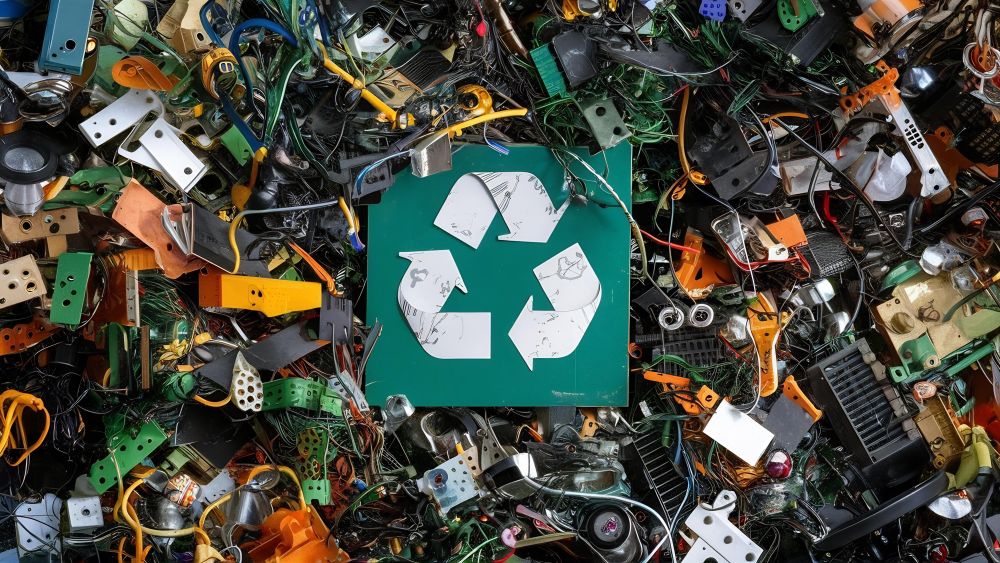
Ewaste recycling begins with a recognition that arrived late to most of the developed world: the devices we carry contain both treasure and poison. Inside every smartphone lies gold and silver alongside lead and mercury, rare earth elements mixed with toxic flame retardants. Singapore, generating 60,000 tonnes of electronic waste annually, can no longer afford wilful blindness about disposal. The question is no longer whether to recycle electronics properly but how to do so in ways that actually work.
The Journey of a Discarded Device
Consider the path of a mobile phone tossed into a general waste bin. It travels to an incineration plant where temperatures reach 850 degrees Celsius. Plastics burn, releasing compounds despite filtration. Metals melt and mix with ash. Some toxins transform into more dangerous forms. The residue ends up in landfills or on ships bound for developing nations where informal recyclers handle waste for wages that would shock most Singaporeans.
Electronic waste recycling offers a different story, one where materials are systematically separated, toxins safely contained, and valuable elements recovered for reuse. But only if devices reach the right channels.
Identifying What Belongs in Electronic Waste Streams
The category extends beyond computers and phones. Regulatory definitions encompass any item requiring electricity or batteries:
- Computing devices including laptops, tablets, monitors, and accessories
- Mobile phones with chargers, cables, and headphones
- Entertainment electronics such as televisions and gaming consoles
- Photography equipment including digital cameras
- Kitchen appliances from coffee makers to electric kettles
- Personal care items like hair dryers and electric toothbrushes
- Tools including drills, battery chargers, and power banks
- Lighting including LED bulbs and fluorescent tubes
That drawer of tangled cables? Each qualifies. Ancient mobile phones stored as backups? They need proper ewaste disposal. The broken fan awaiting repair? It belongs in recycling streams.
The Practical Mechanics of Proper Disposal
Singapore’s infrastructure for recycling electronic waste operates through several systems. The Extended Producer Responsibility scheme requires retailers to accept old electronics when customers purchase replacements. Walk into an electronics shop with an old laptop, walk out with a new one, the old device entering proper recycling channels.
Public collection points, marked by blue bins with electronic waste symbols, dot HDB estates and community centres. These bins accept smaller items readily. Town councils organize quarterly collection drives for larger items, though the episodic nature creates gaps between collections.
Some community centres have established permanent collection points staffed by volunteers who ensure items are properly sorted and prepared for recycling. These centres often provide basic data wiping services and advice on whether devices might be suitable for donation rather than recycling.
The Critical Step Everyone Forgets
Before any device enters electronic waste recycling systems, one task takes precedence: data security. Phones and computers store personal information that factory resets alone cannot fully erase.
Proper data destruction requires specialized software that overwrites storage multiple times, or physical destruction of hard drives and memory chips. This presents tension between security and sustainability. Thoroughly destroyed devices cannot be refurbished. Yet inadequate data wiping exposes former owners to risks no environmental benefit justifies.
The solution requires judgment. Older devices with minimal personal data might be wiped and donated for reuse. Devices containing sensitive information require thorough destruction before recycling of electronic waste proceeds.
The Materials Worth Recovering
What makes proper e-waste disposal worthwhile extends beyond environmental protection. Electronics contain valuable materials. A tonne of circuit boards yields more gold than a tonne of gold ore. The copper in cables, silver in contacts, and palladium in components all retain value.
Singapore’s formal recycling infrastructure captures these materials through regulated processes. Informal recyclers pursue the same materials through methods that prioritize profit over worker safety. The difference lies in externalities. Formal systems internalize costs. Informal systems externalize them onto workers and environments.
Singapore’s Ambitious Targets
The government’s vision for a zero-waste nation by 2030 places significant emphasis on electronic waste management. New regulations require manufacturers and retailers to take greater responsibility for end-of-life disposal. Extended Producer Responsibility schemes now cover a wider range of electronics than ever before. These policy shifts reflect growing recognition that individual action alone cannot solve systemic problems, yet policy without participation remains merely aspiration written into regulations.
Why Individual Actions Matter
The government can mandate producer responsibility and build infrastructure, but systems only succeed when individuals participate. Every phone properly recycled represents toxic materials safely managed and valuable resources recovered. Multiply these acts across millions of devices and the numbers become significant.
Yet participation rates remain disappointingly low. Convenience, awareness, and habit all factor into disposal decisions. Making proper ewaste recycling the default choice requires infrastructure that meets people where they are, information campaigns that reach beyond the already convinced, and cultural shifts that make responsible disposal automatic. The technology exists. The systems are in place. What remains is the choice each person makes when facing old electronics, whether to take the easy path or the right one, making proper ewaste recycling not just available but inevitable.