The quiet revolution of smart energy management has begun unfolding in homes, offices, and entire cities across the world, fundamentally altering how we generate, distribute, and consume power in ways that most people never see but increasingly feel in their daily lives. Behind the familiar hum of air conditioning and the simple flip of a light switch lies an intricate web of sensors, algorithms, and automated systems that are reshaping humanity’s relationship with energy itself.
The Invisible Orchestra of Efficiency
In the predawn hours of a typical Tuesday, whilst most residents sleep soundly in their beds, an invisible orchestra springs into action. Intelligent monitoring systems analyse weather patterns, predict peak demand periods, and automatically adjust building temperatures by fractions of degrees. Solar panels tilt toward the rising sun, battery storage systems prepare to capture excess energy, and smart grids balance supply and demand with mathematical precision that would have seemed like science fiction just decades ago.
This seamless choreography represents the essence of intelligent energy optimisation—a sophisticated dance between technology and necessity that occurs millions of times each day, largely unseen but increasingly essential to modern life. The systems learn from patterns, adapt to circumstances, and optimise performance with a relentlessness that human operators could never match.
Beyond the Smart Meter: A Deeper Integration
The evolution of energy intelligence extends far beyond the simple smart metres that many households now recognise. Today’s most advanced systems integrate multiple technologies into cohesive ecosystems that respond dynamically to both internal conditions and external grid demands. These comprehensive platforms encompass:
-
Predictive analytics that forecast energy needs based on weather patterns, occupancy schedules, and historical usage data
-
Automated load balancing that shifts non-essential energy consumption to off-peak periods
-
Real-time grid integration that allows buildings to sell excess renewable energy back to the network
-
Machine learning algorithms that continuously improve efficiency through pattern recognition
-
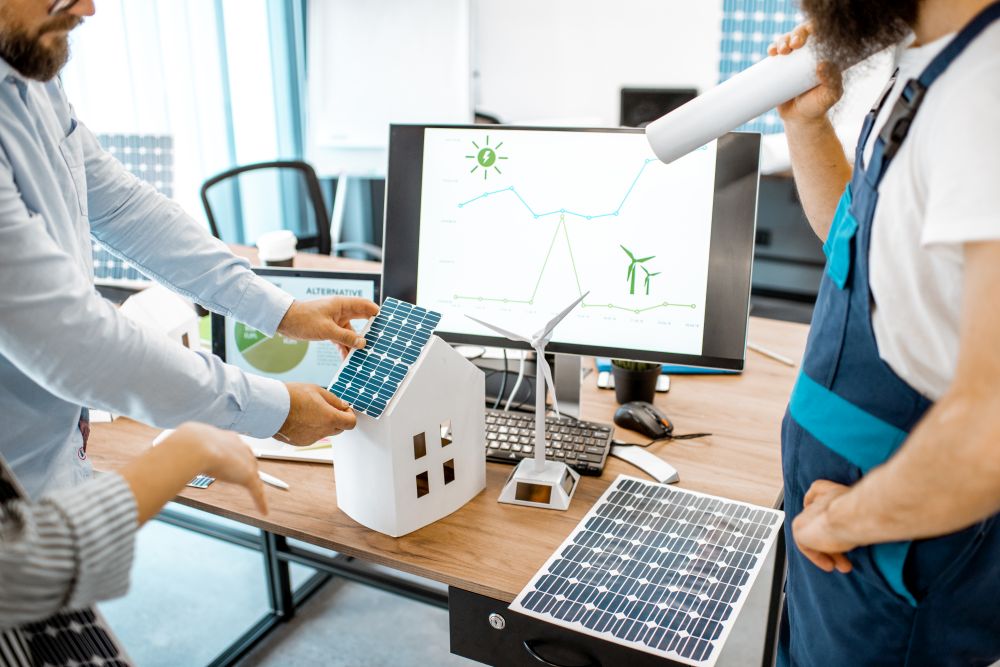
Distributed energy resources that coordinate solar panels, wind turbines, and battery storage systems
The sophistication of these integrated systems means that a building can effectively become its energy ecosystem, generating power when conditions are optimal, storing it when demand is low, and consuming it precisely when needed most efficiently.
The Human Element in Digital Energy
Beneath the layers of automation and algorithmic decision-making lies a fundamentally human story. Families reduce their electricity bills whilst maintaining comfort. Office workers enjoy consistent lighting and temperature control without giving energy consumption a second thought. Elderly residents stay warm in winter and cool in summer without worrying about prohibitive costs.
The most successful implementations of advanced energy optimisation recognise that technology serves people, not the other way around. The best systems operate invisibly, enhancing quality of life whilst reducing environmental impact. They learn individual preferences, adapt to lifestyle changes, and provide gentle feedback that encourages more sustainable behaviours without imposing rigid constraints.

Singapore’s Pioneering Approach
The island nation has emerged as a global laboratory for energy innovation, pioneering technologies that other countries are now eager to replicate. Government officials have emphasised the critical role of integrated systems, with one minister noting that new installations “will have a smart energy management system to integrate solar, energy storage, and electric vehicle (EV) chargers to help power their operations.”
This holistic approach demonstrates how intelligent energy coordination can address multiple challenges simultaneously, supporting renewable energy adoption, enabling electric vehicle infrastructure, and maintaining grid stability. Singapore’s initiatives include floating energy storage systems equipped with artificial intelligence, digital twins of the national electricity grid, and service stations that seamlessly blend solar power, battery storage, and rapid vehicle charging.
The Economic Transformation
The financial implications of widespread energy intelligence adoption extend far beyond individual utility bills. Businesses report operational cost reductions of 20-40% within the first year of implementing comprehensive monitoring and optimisation systems. Property values increase as energy-efficient buildings command premium rents and attract environmentally conscious tenants.
Perhaps more significantly, the technology creates entirely new economic opportunities. Energy trading between buildings, demand response programmes that pay consumers for reducing consumption during peak periods, and virtual power plants that aggregate distributed resources into grid-scale assets represent emerging markets worth billions of pounds annually.
Navigating the Challenges Ahead
The rapid proliferation of intelligent energy systems also introduces complexities that society is still learning to navigate. Data privacy concerns arise as systems collect detailed information about occupancy patterns and energy usage. Cybersecurity threats target increasingly connected infrastructure. The digital divide means that some communities lack access to the benefits of energy optimisation, whilst others enjoy significant advantages.
Additionally, the sheer pace of technological advancement can overwhelm both consumers and policymakers. Standards struggle to keep pace with innovation, and interoperability between systems from different manufacturers remains inconsistent. Training skilled technicians to install, maintain, and operate these sophisticated systems presents an ongoing workforce challenge.
The Path Forward
The trajectory toward more intelligent energy management appears irreversible, driven by environmental necessity, economic opportunity, and technological capability. The most promising developments focus on making these systems more accessible, more secure, and more beneficial to society as a whole.
Emerging technologies promise even greater sophistication: artificial intelligence that can predict and prevent equipment failures before they occur, blockchain systems that enable peer-to-peer energy trading, and quantum computing applications that could optimise grid operations with unprecedented precision.
The transformation extends beyond mere technological achievement to represent a fundamental shift in how humanity approaches one of its most basic needs. As climate change intensifies and energy demands continue growing, the quiet revolution of smart energy management offers hope that technology and human ingenuity can create a more sustainable, efficient, and equitable energy future for all.